

Walk into any nutrition store, and you’ll face thousands of supplement bottles making bold promises. Better energy! Faster muscle growth! Weight loss in weeks! It’s overwhelming when you just want to know what actually works.
Here’s the truth the supplement industry doesn’t want you to know: you probably don’t need most of what they’re selling. Despite flashy marketing, only a handful of supplements have solid scientific backing and real benefits for most people.
After years of researching supplements, testing dozens of products, and consulting with registered dietitians, I’ve learned which supplements actually deserve a spot in your routine and which ones are expensive cabinet fillers.
This guide focuses on five supplements with strong scientific support and real-world benefits. Whether you’re an athlete optimizing performance or just want to feel your best, this straightforward guide helps you make informed decisions without wasting money.
TOP 5 SUPPLEMENTS REVIEWED
1. Optimum Nutrition Gold Standard Whey Protein
Price: $25-$70 depending on size

When it comes to protein powder, Optimum Nutrition’s Gold Standard Whey is the undisputed champion on Amazon, with over 100,000 reviews and a consistent top-seller ranking for over a decade.
Key Specifications:
- Protein Per Serving: 24g
- Calories: 120
- Flavors: 20+ options
- Third-Party Tested: Informed Choice certified
What We Love:
The protein quality is exceptional. Gold Standard uses a blend of whey protein isolate (the fastest-digesting), whey concentrate (with additional beneficial compounds), and whey peptides (pre-digested for rapid absorption). This gives you 24 grams of complete protein with all nine essential amino acids.
Mixability is outstanding. Unlike some powders that turn clumpy, Gold Standard mixes smoothly with just a shaker bottle. No blender required. It dissolves completely without chunks.
The taste actually lives up to its reputation. Double Rich Chocolate is delicious, not that artificial chemical taste from cheap proteins. Vanilla is clean and versatile for smoothies or oatmeal.
Value for money is excellent. The 5-pound container costs $50-$65, which works out to roughly $1.50-$2.00 per serving. Given the quality, this is fair pricing.
Brand reputation is solid. Optimum Nutrition has been making supplements since 1986. They meet GMP standards, and the product is Informed Choice certified for banned substances.
Considerations:
Contains dairy and is not suitable for individuals with lactose intolerance or vegan diets. Most flavors use artificial sweeteners (acesulfame potassium and sucralose). The protein concentration is about 79%, lower than pure isolates but also more affordable.
Best For:
- Post-workout recovery
- Meeting daily protein goals conveniently
- Anyone wanting a reliable, tested protein
- Athletes needing certification
2. Creatine Monohydrate
Price: $10-$25 for a 3-month supply
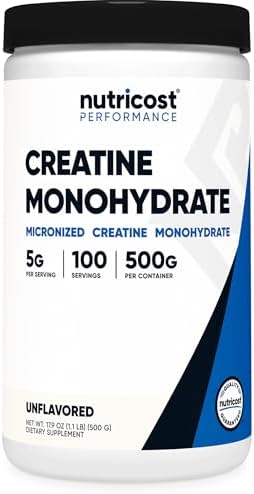
If there’s one supplement with overwhelming scientific support, it’s creatine monohydrate. Thousands of studies over decades have made it one of the most researched and validated supplements.
What It Does:
Creatine helps regenerate ATP, your cells’ energy currency. During high-intensity exercise, such as lifting or sprinting, creatine helps replenish ATP more quickly, enabling better performance and quicker recovery between sets.
Research-Backed Benefits:
- Increase strength by 5-15%
- Improve high-intensity exercise performance by 10-20%
- Help gain lean muscle mass (with training)
- Support brain function
- Aid recovery between training sessions
How to Use:
Take 3-5 grams daily. That’s it. Mix it with your protein shake post-workout or take it anytime. Consistency matters more than timing.
Some do a “loading phase” of 20 grams daily for 5-7 days, then maintain with 3-5 grams. This works, but isn’t necessary. Taking 5 grams daily from the start reaches the same point, just takes a few weeks longer.
Choosing Creatine:
Stick with creatine monohydrate. It’s the most studied, most effective, and cheapest form. Fancy types (HCL, ethyl ester) are marketing gimmicks that cost more without any extra benefits.
Look for:
- Pure creatine monohydrate, no added ingredients
- Unflavored
- Third-party tested
- Micronized (dissolves better)
Common Concerns:
“Will it damage the kidneys?” No. Decades of research show it’s safe for healthy individuals.
“Will it make me bloated?” You might retain 1-2 pounds of water in muscles (not under skin), which is part of how it works.
“Only for men?” No. Women benefit equally.
Best For:
- Anyone doing resistance training or high-intensity exercise
- Athletes in power/speed sports
- Vegetarians and vegans
- People over 40 maintaining muscle
- Anyone wanting proven, affordable performance enhancement
3. Fish Oil (Omega-3)
Price: $15-$40 per month

Omega-3 fatty acids are essential fats your body can’t produce, meaning you must get them from your diet. They support heart health and brain function and reduce inflammation.
Understanding EPA and DHA:
EPA: Supports cardiovascular health and reduces inflammation. It can help lower triglycerides and blood pressure.
DHA: Critical for brain health, memory, and cognitive function. Your brain is 60% fat, and DHA is one of the most abundant.
Science-Backed Benefits:
- Reduce heart disease risk
- Support brain health and reduce cognitive decline
- Help reduce chronic inflammation
- Support joint health
- Potentially aid depression and anxiety
- Support eye health
Choosing Quality Fish Oil:
High EPA and DHA: Look for at least 500mg combined EPA/DHA per softgel. Quality products provide 1,000mg or more per serving.
Molecular form: Triglyceride or re-esterified triglyceride forms absorb better than ethyl ester.
Third-party tested: Look for IFOS certification or similar testing for purity and contaminants.
Freshness: Products with added vitamin E maintain freshness better.
Dosage:
For general health, aim for 1,000-2,000mg combined EPA/DHA daily (usually 2-4 capsules). Take with meals containing fat to improve absorption.
Common Concerns:
“Fish burps?” High-quality fish oil should have minimal taste. Try taking with meals, freezing capsules, or choosing enteric-coated versions.
Best For:
- People are not eating fatty fish twice weekly
- Heart health concerns
- Chronic inflammation or joint pain
- Supporting brain and cognitive function
- Vegetarians/vegans (use algae-based options)
4. Vitamin D3
Price: $10-$20 for 3-6 months

Vitamin D deficiency affects an estimated 42% of US adults. This matters because vitamin D supports immune function, mood regulation, and muscle function, and may help prevent cancer.
Why Deficiency is Common:
- Most people spend time indoors
- Sunscreen blocks UVB rays needed for vitamin D production
- Northern climates lack adequate sun for months
- Darker skin requires more sun exposure
- Skin becomes less efficient with age
Benefits of Adequate Vitamin D:
Bone Health: Supports calcium absorption for strong bones.
Immune Function: Low levels correlate with increased illness frequency.
Mood: Strong correlation between deficiency and depression, especially seasonal affective disorder.
Muscle Function: Supports muscle strength. Deficiency causes weakness.
How Much You Need:
Optimal blood levels: 30-50 ng/mL (some recommend 40-60 ng/mL)
For supplementation: 1,000-2,000 IU daily is generally safe. Some need more (up to 4,000-5,000 IU), especially in northern climates or with darker skin.
Ideally, get tested to tailor dosage to your needs.
D3 vs D2:
Choose vitamin D3 (cholecalciferol) over D2. D3 is more effective at raising and maintaining blood levels.
Taking It Properly:
Vitamin D is fat-soluble. Take with a fat-containing meal for better absorption.
Vitamin D and K2:
At higher D doses (3,000+ IU daily), consider a product with K2, which helps direct calcium to bones rather than arteries.
Best For:
- People in areas with limited sunshine
- Indoor workers or those who rarely get sun
- Supporting immune function in winter
- Bone health maintenance
- Improving mood and energy
- Nearly everyone could benefit
5. Quality Multivitamin
Price: $20-$40 per month
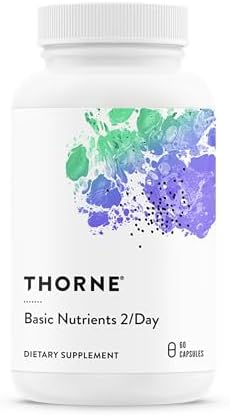
A multivitamin is nutritional insurance for your diet. It fills gaps when your diet isn’t perfect (and nobody’s diet is perfect every day).
Who Benefits:
Busy people: If you grab fast food, skip meals, or eat the same foods repeatedly, a multivitamin helps ensure you get basic nutrients.
Older adults: Bodies don’t absorb nutrients as efficiently as they do in younger adults.
Restricted diets: Vegetarians, vegans, individuals with allergies, or those following elimination diets may be missing certain nutrients.
Athletes: Higher activity increases nutrient needs.
What Makes Quality:
Bioavailable forms:
- Methylated B vitamins (methylfolate, methylcobalamin)
- Chelated minerals (bisglycinate forms)
- D3 instead of D2
- Natural vitamin E
Appropriate doses: Aim for 50-150% of the Daily Value for most nutrients. Avoid mega-doses of 1,000%+ unless there’s a specific reason.
Gender- and age-appropriate: Choose formulas for your demographic.
Third-party testing: NSF or USP certification ensures accuracy.
What It Can’t Do:
A multivitamin will not compensate for a terrible diet, dramatically boost energy from poor sleep, build muscle, burn fat, or cure diseases. Your diet is primary. The multivitamin fills occasional gaps.
Taking It:
Take with food, preferably your largest meal. This improves absorption of fat-soluble vitamins and reduces stomach upset.
Common Concerns:
“Bright yellow urine”: Normal and harmless. Caused by excess riboflavin (B2).
“Nausea”: Always take with food, never on an empty stomach.
Best For:
- Anyone whose diet isn’t consistently balanced
- Older adults
- Vegetarians and vegans
- Pregnant or breastfeeding women (prenatal)
- General nutritional insurance
COMPARISON TABLE
Supplement | Primary Benefit | Daily Dose | Price/Month | Best For |
Optimum Nutrition Whey | Muscle recovery, protein | 1-2 scoops | $30-$50 | Athletes, muscle building |
Creatine Monohydrate | Performance, strength | 3-5g | $5-$10 | Regular training |
Fish Oil | Heart, brain health | 1-2g EPA/DHA | $15-$30 | General wellness |
Vitamin D3 | Immune, bone health | 1,000-4,000 IU | $5-$10 | Most people |
Multivitamin | Nutritional insurance | 1-2 tablets | $20-$40 | Filling dietary gaps |
BUYING GUIDE
Assessing Your Needs
What are your goals? Building muscle? Athletic performance? General health? Goals should drive supplement choices.
What does your diet look like? Track food for a few days. You might be surprised.
Activity level? Someone working out 5-6 days weekly has different needs than occasional walkers.
Dietary restrictions? Vegans, vegetarians, and those with allergies may need specific supplements.
Third-Party Testing
Look for these certifications:
NSF Certified for Sport: Tested for banned substances, safe for athletes.
USP Verified: Tests for quality, purity, potency.
Informed Choice/Sport: Tests every batch for banned substances.
ConsumerLab Approved: Independent testing for quality.
Reading Labels
Serving Size: Some companies use misleading sizes.
Amount Per Serving: Compare to daily needs.
Percent Daily Value: Aim for 50-100% DV for most nutrients.
Other Ingredients: Fewer ingredients mean a cleaner product.
Avoiding Proprietary Blends
Avoid supplements that list “proprietary blends” without disclosing the exact amounts of each ingredient. This allows companies to use tiny amounts of expensive ingredients while mostly using cheap fillers.
Stick with supplements that clearly list the amount of each ingredient.
Price Expectations
Too Cheap ($5/month): Probably low-quality ingredients.
Mid-Range ($20-$50/month): Sweet spot for quality without excessive marketing costs.
Premium ($60-$100+/month): Sometimes reflects superior ingredients, sometimes just fancy packaging.
FREQUENTLY ASKED QUESTIONS
Can I take all these supplements together?
Yes, these five supplements are safe to take together. Take protein and creatine post-workout, vitamin D, and fish oil with meals containing fat, and a multivitamin with your largest meal.
When will I see results?
Creatine: 2-4 weeks for performance improvements. Protein: Immediate use for recovery; muscle gains take weeks to months with training. Fish Oil: 2-3 months for inflammation and health markers. Vitamin D: 1-3 months to optimize blood levels. Multivitamin: Subtle, long-term benefits
Do I need all five?
No: Prioritize based on your needs:
- Athletes: Protein + Creatine
- General health: Vitamin D + Multivitamin
- Heart health: Fish Oil + Vitamin D
- Minimal approach: Vitamin D only
Are expensive brands always better?
Not always. You’re sometimes paying for marketing. Look for third-party testing and quality ingredients, not just price.
Can supplements replace a healthy diet?
Absolutely not. Supplements are exactly that: supplemental. Whole foods provide nutrients, fiber, and beneficial compounds that supplements can’t replicate.
Should I cycle supplements?
No need to cycle these five. Take them consistently for the best results.
What about other popular supplements?
Many have limited or mixed evidence. These five have the strongest research backing.
CONCLUSION
Smart Supplementation Strategy
The supplement industry wants you to believe you need dozens of products. The truth? When combined with a balanced diet, these five cover most people’s needs.
Start Here:
- Vitamin D3 (nearly universal benefit)
- Quality Multivitamin (fills dietary gaps)
- Fish Oil (if not eating fatty fish regularly)
- Protein Powder (if struggling to meet protein needs)
- Creatine (if training regularly)
Final Recommendations
For Athletes: All five supplements provide value. Prioritize protein and creatine.
For General Health: start with vitamin D and a multivitamin. Add fish oil if you are not eating fish.
For Budget-Conscious: Vitamin D offers the best value at $5-$10/month. Add others as the budget allows.
Making Your Decision
Don’t overcomplicate this. Supplements support your health journey; they don’t make or break it. Focus on:
- Eating mostly whole foods
- Getting adequate protein
- Sleeping 7-8 hours
- Managing stress
- Exercising regularly
Do those things consistently, then add supplements to fill specific gaps or support performance goals.
Start with one or two supplements. See how you feel. Add others if needed. Most importantly, don’t fall for marketing hype promising miracle results. These five supplements work because they have decades of research backing them, not because they’re trendy or heavily marketed.
Your health is an investment. These supplements are tools to support that investment, not shortcuts around doing the actual work. Choose quality products, take them consistently, and combine them with healthy lifestyle habits for the best results.
Affiliate Disclosure: Stem & Stone earns from qualifying purchases. Our recommendations are based on research and user feedback, not affiliate relationships.
Leave a Reply