
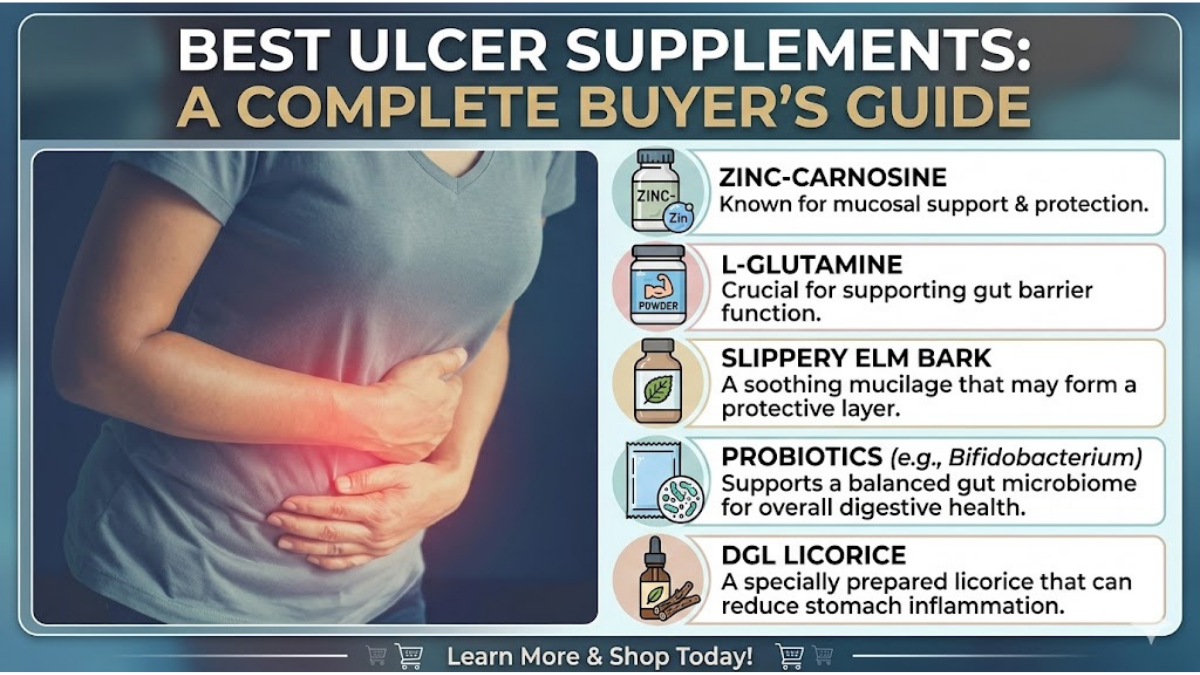
Peptic ulcers, painful sores in the lining of the stomach (gastric ulcers) or the first part of the small intestine (duodenal ulcers), affect approximately 4.5 million Americans and cause significant discomfort, disrupted sleep, and reduced quality of life. While the primary cause is infection with Helicobacter pylori bacteria, ulcers can also result from long-term use of NSAIDs (non-steroidal anti-inflammatory drugs), excessive alcohol consumption, smoking, and chronic stress. Conventional treatment typically involves antibiotics to eradicate H. pylori and acid-reducing medications such as proton-pump inhibitors (PPIs), but these approaches can cause side effects and may not address the underlying factors that allow ulcers to develop and persist.
This comprehensive guide evaluates the top ulcer supplements based on clinical research, mechanism of action, bioavailability, third-party testing, practitioner recommendations, and documented effectiveness. We prioritize products featuring scientifically validated ingredients such as zinc-carnosine, deglycyrrhizinated licorice (DGL), mastic gum, L-glutamine, and targeted probiotics that support stomach lining integrity, reduce H. pylori colonization, promote healing, and prevent ulcer recurrence, without the adverse effects associated with long-term pharmaceutical use.
Key Quality Indicators We Evaluate: Clinical evidence supporting ulcer healing and H. pylori reduction, bioavailable nutrient forms optimized for gastric absorption, third-party purity and potency testing, hypoallergenic formulations free from common allergens, proper therapeutic dosing based on research, absence of artificial additives that may irritate the digestive tract, GMP-certified manufacturing standards, and compatibility with conventional ulcer treatments.
Quick Comparison
Product | Category | Price Range | Key Benefits | Best For |
Doctor’s Best | Zinc Carnosine | $18 to $25 | 75 mg carnosine support | Gastric Healing |
Life Extension | Zinc plus Probiotic | $22 to $30 | Zinc plus L reuteri | H Pylori Defense |
Integrative | Pure Zinc | $20 to $28 | Clinically studied brand | Evidence Based |
Klaire Labs | Herbal Mix | $25 to $35 | Mastic gum plus DGL | Digestive Comfort |
Designs for Health | Comprehensive | $40 to $55 | Vitamin U plus Mastic | Multi Mechanism |
Nature’s Way | DGL Licorice | $10 to $18 | 380 mg chewable | Budget Friendly |
Pure Encapsulations | Herbal Blend | $28 to $38 | Slippery elm plus DGL | Mucosal Support |
Allergy Research | Mastic Gum | $35 to $45 | Authentic Chios mastiha | Authentic Quality |
Thorne | Multi Botanical | $35 to $45 | Aloe plus marshmallow | Practitioner Grade |
Nutra BioGenesis | Complete | $30 to $40 | Bismuth plus minerals | Advanced Repair |
Understanding Peptic Ulcers and Healing Mechanisms
What Causes Peptic Ulcers?
Peptic ulcers develop when the protective mucus layer that shields the stomach and duodenal lining from digestive acids becomes compromised. The most common cause—responsible for 60-90% of duodenal ulcers and 70-90% of gastric ulcers—is infection with Helicobacter pylori (H. pylori), a spiral-shaped bacterium that burrows into the protective mucus layer and produces substances that neutralize stomach acid, allowing it to survive and multiply. H. pylori releases toxins and inflammatory compounds that damage the underlying tissue, creating erosions that develop into painful ulcers.
The second leading cause of peptic ulcers is regular use of NSAIDs such as ibuprofen, naproxen, and aspirin. These medications inhibit cyclooxygenase (COX) enzymes that are essential for producing prostaglandins—protective compounds that stimulate mucus and bicarbonate secretion, maintain blood flow to the gastric lining, and support cellular repair. When prostaglandin production is suppressed, the stomach lining becomes vulnerable to acid damage.
Additional risk factors include excessive alcohol consumption (which directly damages the mucosal barrier), smoking (which reduces blood flow to the stomach lining and impairs healing), chronic stress (which increases acid production and reduces protective mechanisms), and genetic predisposition. Certain medical conditions, including Zollinger-Ellison syndrome (which causes excessive acid production) and Crohn’s disease, can also contribute to ulcer development.
How Ulcer Supplements Work
The most effective ulcer supplements work through multiple complementary mechanisms to support healing and prevent recurrence:
Mucosal Protection and Repair: Ingredients like zinc-carnosine, DGL (deglycyrrhizinated licorice), slippery elm, and marshmallow root enhance the protective mucus layer, stimulate cellular repair mechanisms, and create a soothing coating over damaged tissue. These compounds don’t just mask symptoms—they actively support the healing process by providing building blocks and signaling molecules that gastric cells need to regenerate.
H. Pylori Inhibition: Mastic gum, certain probiotic strains (particularly Lactobacillus reuteri), lactoferrin, and specific phytonutrients can directly inhibit H. pylori growth, prevent bacterial adhesion to gastric cells, and reduce bacterial load. While supplements rarely eradicate H. pylori completely on their own, they significantly enhance the effectiveness of antibiotic therapy and may prevent reinfection.
Inflammation Reduction: Chronic inflammation perpetuates ulcer formation and impairs healing. Supplements containing zinc-carnosine, curcumin, omega-3 fatty acids, and certain botanical extracts modulate inflammatory pathways, reduce oxidative stress, and support a balanced immune response that promotes healing without excessive tissue damage.
Acid Balance: While not suppressors like pharmaceutical PPIs, some supplements contain buffering minerals (calcium carbonate, magnesium, bismuth) that gently neutralize excess acid and create a more favorable pH environment for healing without completely eliminating stomach acid (which is essential for proper digestion and pathogen defense).
Who Should Consider Ulcer Supplements?
Individuals with Confirmed Peptic Ulcers: Those diagnosed via endoscopy or other testing who want to support conventional treatment, enhance healing, reduce symptoms, and prevent recurrence through natural approaches.
H. Pylori Positive Individuals: People who test positive for H. pylori infection—either with active ulcers or asymptomatically—can benefit from supplements that reduce bacterial load, enhance antibiotic effectiveness, and support mucosal defense mechanisms.
NSAID Users: Those who must continue taking NSAIDs for chronic pain conditions, arthritis, or cardiovascular protection can use protective supplements to minimize gastric damage and reduce ulcer risk.
Post-Ulcer Maintenance: Individuals with a history of ulcers who want to prevent recurrence by maintaining robust mucosal defenses and supporting ongoing gastric health.
Chronic Gastritis Sufferers: Those experiencing persistent stomach inflammation, burning, bloating, and discomfort that may be precursors to ulcer development.
People Unable to Tolerate PPIs: Individuals who experience side effects from proton-pump inhibitors or who want to avoid long-term PPI use due to concerns about nutrient malabsorption, kidney damage, or other documented risks.
Key Ingredients in Effective Ulcer Supplements
Zinc-Carnosine (PepZinGI®): A chelated complex of zinc and L-carnosine that specifically targets the gastric mucosa. Unlike regular zinc supplements, zinc-carnosine adheres directly to ulcerated tissue, stimulating cellular repair, promoting protective mucus secretion, reducing inflammation, and exhibiting antimicrobial effects against H. pylori. Clinical studies show 150mg daily (split into two 75mg doses) significantly improves ulcer healing rates and reduces gastric discomfort within 8 weeks.
Deglycyrrhizinated Licorice (DGL): Licorice root with the glycyrrhizin compound removed to eliminate side effects like high blood pressure while retaining therapeutic benefits. DGL increases mucin secretion, extends the lifespan of gastric mucosal cells, improves blood supply to damaged areas, and exhibits anti-inflammatory properties. Chewable DGL (taken 20 minutes before meals) allows direct contact with stomach tissue for maximum benefit.
Mastic Gum (Pistacia lentiscus): Resin from the mastic tree with documented antimicrobial activity against H. pylori. Research shows 1000mg daily can reduce bacterial load, inhibit H. pylori adhesion to gastric cells, and support ulcer healing. Some studies demonstrate H. pylori eradication rates of 30-40% with mastic gum alone, with significantly higher rates when combined with antibiotics.
L-Glutamine: The most abundant amino acid in the body and primary fuel source for intestinal cells. L-glutamine supports the integrity of the gastric mucosa, reduces inflammation, enhances immune function in the gut, and accelerates healing of damaged tissue. Doses of 5-10 grams daily support gastrointestinal repair.
Lactobacillus reuteri (Specific Strains): Probiotic bacteria that specifically bind to H. pylori, preventing bacterial colonization and reducing H. pylori load in the stomach. Heat-treated (inactive) forms, such as Pylopass™, are particularly effective because the bacteria remain intact and can bind to H. pylori without being destroyed by stomach acid, then carry the pathogen out of the body.
Slippery Elm & Marshmallow Root: Mucilaginous herbs that create a soothing protective coating over inflamed and ulcerated tissue, reduce irritation, and support natural healing processes. These demulcent herbs are particularly helpful for symptom relief while deeper healing occurs.
Bismuth Subsalicylate/Citrate: Mineral compound with antimicrobial activity against H. pylori, protective coating properties, and mild anti-inflammatory effects. Often used in quadruple therapy for H. pylori eradication.
Vitamin U (Methylmethionine Sulfonium): Not actually a vitamin but a compound found in cabbage juice that has been traditionally used for ulcer healing. Modern research suggests that it supports gastric mucosa repair and reduces ulcer-related damage.
Detailed Product Reviews
1. Doctor’s Best PepZin GI Zinc-L-Carnosine Complex
Best for: Evidence-based gastric healing and stomach lining protection

Specification | Details |
Form | Vegetarian Capsules |
Serving Size | 2 capsules daily |
Key Ingredient | PepZinGI Zinc Carnosine 75 mg per serving |
Elemental Zinc | 16 mg (from zinc carnosine complex) |
Certifications | Non GMO Vegan Gluten Free Soy Free |
Clinical Backing | Used in Japan since 1994 extensively studied |
Size | 120 capsules (60 servings) |
Price Range | $18 to $25 |
Why We Recommend It:
Doctor’s Best PepZin GI features the clinically-studied PepZinGI® brand of zinc-carnosine, the exact form used in Japanese research demonstrating significant improvements in gastric health, ulcer healing, and H. pylori reduction. Unlike standard zinc supplements that are rapidly absorbed in the small intestine, the zinc-carnosine complex adheres specifically to areas of gastric damage, delivering therapeutic zinc directly to ulcerated tissue where it exerts protective and healing effects.
The mechanism is elegant: as the complex dissolves slowly in the stomach, it stimulates mucus-secreting cells, promotes prostaglandin production (protective compounds), reduces oxidative stress and inflammation, and supports the proliferation of epithelial cells needed to repair damaged mucosa. Clinical studies show that 150mg daily (two capsules) significantly reduces symptoms of gastritis and ulcers within 8 weeks while also protecting against NSAID-induced gastric damage.
Users consistently report reduced burning and pain, decreased reliance on acid-blocking medications, improved tolerance of foods that previously triggered symptoms, and enhanced overall digestive comfort. The vegetarian capsules are gentle and well-tolerated, making this an excellent foundation for any ulcer healing protocol.
Pros:
- Contains clinically-studied PepZinGI® brand zinc-carnosine
- 30+ years of documented use and research in Japan
- Directly targets and adheres to the gastric mucosa
- Supports natural healing and protective mechanisms
- Reduces inflammation and oxidative stress
- Vegan, non-GMO, free from common allergens
- Excellent value (60 servings per bottle)
- Gentle, well-tolerated formulation
Cons:
- Requires consistent use for 8+ weeks for full benefits
- Two capsules daily may be less convenient than once-daily
- Should be taken with copper if using long-term (zinc can deplete copper)
- Not suitable for those with zinc sensitivity
2. Life Extension Gastro-Ease (Zinc-Carnosine + L. reuteri)
Best for: Comprehensive H. pylori defense and stomach lining support
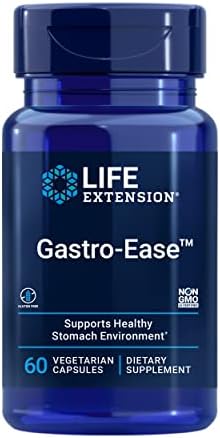
Specification | Details |
Form | Vegetarian Capsules |
Serving Size | 2 capsules daily (1 after breakfast 1 before bed) |
Key Ingredients | PepZinGI Zinc Carnosine 75 mg Pylopass L reuteri 100 mg |
Elemental Zinc | 16.5 mg per serving |
Target Mechanism | Dual action mucosa support plus H pylori reduction |
Certifications | Non GMO Gluten Free Vegetarian |
Size | 60 capsules (30 servings) |
Price Range | $22 to $30 |
Why We Recommend It:
Life Extension Gastro-Ease represents a sophisticated approach to gastric health by combining the mucosal-healing properties of zinc-carnosine with Pylopass™—a patented, heat-treated (inactive) strain of Lactobacillus reuteri specifically selected for its ability to bind to H. pylori. This dual-action formula addresses both the damaged tissue and the underlying bacterial infection that perpetuates ulcer formation.
The brilliance of Pylopass™ is that it uses inactive bacterial cells that remain structurally intact, allowing them to specifically recognize and bind to H. pylori through surface proteins. Once bound, the L. reuteri-H. pylori complexes are eliminated from the body through normal digestive processes, effectively reducing H. pylori load without requiring live probiotics that might be destroyed by stomach acid.
Clinical studies show that zinc-carnosine significantly reduces factors associated with gastric discomfort within 8 weeks, while Pylopass™ reduces H. pylori colonization. Users report dramatic improvements in chronic gastritis symptoms, reduced reliance on PPIs, better tolerance of previously problematic foods, and sustained relief that continues even after finishing the bottle. For those dealing with confirmed or suspected H. pylori infection, this formula offers natural support that complements antibiotic therapy.
Pros:
- Dual-action formula targets healing and infection
- Pylopass™ L. reuteri specifically binds and removes H. pylori
- Heat-treated probiotics survive stomach acid intact
- Clinically-proven ingredients with published research
- Life Extension’s rigorous quality standards
- Non-GMO, gluten-free formulation
- Strategic dosing (morning and evening)
- Supports long-term gastric health maintenance
Cons:
- Higher price per serving than simple zinc-carnosine
- Requires twice-daily dosing for optimal results
- 30-day supply requires frequent reordering
- May take 8-12 weeks for maximum benefits
3. Integrative Therapeutics Zinc-Carnosine
Best for: Practitioner-grade pure zinc-carnosine supplementation

Specification | Details |
Form | Vegan Capsules |
Serving Size | 1 capsule twice daily |
Key Ingredient | PepZinGI Zinc Carnosine 75 mg per capsule |
Elemental Zinc | 16 mg per capsule |
Purity | Clean formula minimal excipients |
Certifications | Vegan Gluten Free Dairy Free Non GMO |
Professional Grade | Trusted by clinicians for 25 plus years |
Size | 60 capsules (30 to 60 servings) |
Price Range | $20 to $28 |
Why We Recommend It:
Integrative Therapeutics maintains the highest standards in practitioner-grade supplementation, and their Zinc-Carnosine delivers pure, potent PepZinGI® in a clean formulation favored by functional medicine doctors, gastroenterologists, and naturopaths. Each capsule contains 75mg of the clinically-studied zinc-carnosine complex, the exact dose used in research demonstrating significant improvements in gastrointestinal mucosa health and ulcer healing.
The straightforward formulation contains only essential ingredients without unnecessary fillers, binders, or additives that might irritate sensitive digestive systems. Integrative Therapeutics’ commitment to transparency extends to their sourcing and manufacturing processes, with rigorous testing ensuring every batch meets pharmaceutical-grade standards for purity and potency. The company’s 25+ year track record of producing supplements trusted by healthcare professionals speaks to their consistency and reliability.
For individuals working with healthcare providers to address gastric issues, this product offers the reassurance of professional-grade quality at a reasonable price point. The flexible dosing (1-2 capsules daily) allows for adjustment based on symptom severity and individual response. Users appreciate the clean formulation that doesn’t aggravate their already sensitive stomachs and report steady improvements in gastric comfort, reduced burning, and enhanced healing over 8-12 weeks of consistent use.
Pros:
- Professional-grade quality trusted by clinicians
- Pure PepZinGI® zinc-carnosine, clinically studied
- Clean formulation with minimal excipients
- Vegan and free from all common allergens
- Flexible dosing (1-2 capsules daily)
- 25+ year track record of excellence
- Transparent sourcing and testing practices
- Gentle on sensitive stomachs
Cons:
- May cost more than basic zinc-carnosine products
- Requires consistent twice-daily dosing
- Takes 6-8 weeks minimum for visible improvements
- Plain capsules (no added herbs or probiotics)
4. Klaire Labs (SFI Health) Mastic Gum/DGL Chewable
Best for: Convenient chewable combining H. pylori support and mucosal soothing
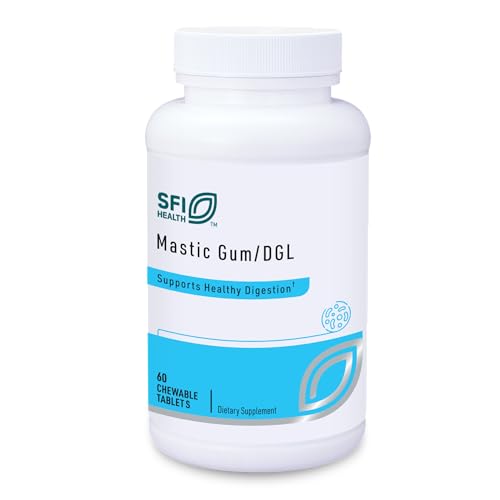
Specification | Details |
Form | Chewable Tablets (Cinnamon Flavor) |
Serving Size | 1 to 2 tablets as needed |
Key Ingredients | Mastic Gum 150 mg DGL 300 mg per 2 tablets |
Flavor | Pleasant cinnamon |
Target | Digestive comfort H pylori occasional indigestion |
Certifications | Hypoallergenic Free from major allergens |
Professional Brand | Klaire Labs practitioner trusted quality |
Size | 60 chewable tablets |
Price Range | $25 to $35 |
Why We Recommend It:
Klaire Labs (now SFI Health) has built a reputation over decades for producing hypoallergenic, practitioner-grade supplements specifically designed for individuals with complex health needs and sensitivities. Their Mastic Gum/DGL Chewable combines two powerful gastric-protective botanicals in a pleasant-tasting chewable format that allows direct contact with stomach tissue—a critical factor for maximum therapeutic benefit.
Mastic gum has been used for thousands of years to treat digestive complaints, and modern research has validated its antimicrobial activity against H. pylori. Studies show mastication can reduce bacterial load, inhibit H. pylori adhesion to gastric cells, and support ulcer healing. DGL (deglycyrrhizinated licorice) enhances protective mucus secretion, extends the lifespan of mucosal cells, improves blood circulation to damaged areas, and exhibits anti-inflammatory properties, all without the blood pressure-raising effects of whole licorice.
The chewable format is specifically designed for gastric conditions. When chewed thoroughly 20 minutes before meals or at the first sign of discomfort, the tablets coat the esophagus and stomach, delivering therapeutic compounds directly to areas needing support. The cinnamon flavor makes compliance easy even for those with taste sensitivities, and the flexible dosing (1-2 tablets as needed) allows individuals to adjust based on symptom severity.
Pros:
- Combines mastic gum and DGL for synergistic benefits
- Chewable format ensures direct contact with tissue
- Pleasant cinnamon flavor enhances compliance
- Flexible dosing based on individual needs
- Hypoallergenic formulation by Klaire Labs
- Free from gluten, dairy, soy, and artificial additives
- Can be used for acute symptom relief
- Practitioner-recommended brand
Cons:
- Contains stevia and natural flavors (may not suit all)
- Chewable format not ideal for those with dental issues
- More expensive than single-ingredient products
- Tablets must be chewed, not swallowed whole
5. Designs for Health GastroMend-HP
Best for: Comprehensive multi-ingredient gastric support formula
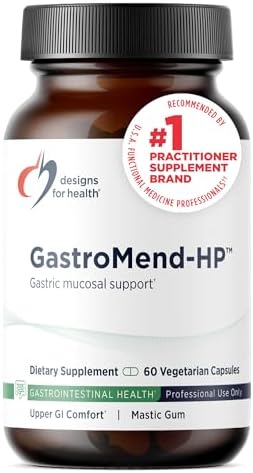
Specification | Details |
Form | Quick Release Capsules |
Serving Size | 4 capsules daily (2 twice per day between meals) |
Key Ingredients | Mastic Gum Zinc Carnosine DGL Vitamin U Vitamin C |
Target | Stomach and duodenum comprehensive support |
Certifications | Vegan Non GMO No Gluten Dairy Soy |
Professional Grade | Number 1 practitioner recommended brand |
Size | 60 capsules (15 servings) |
Price Range | $40 to $55 |
Why We Recommend It:
Designs for Health GastroMend-HP represents the pinnacle of integrative gastric support, combining five synergistic ingredients that work through complementary mechanisms to protect, heal, and restore gastric function. This formula was developed by functional medicine practitioners specifically for addressing H. pylori infection, active ulcers, chronic gastritis, and persistent gastric discomfort that hasn’t responded adequately to single-ingredient approaches.
The formula features mastic gum for H. pylori inhibition, zinc-carnosine for mucosal healing and protection, DGL for mucus enhancement and anti-inflammatory benefits, vitamin U (methylmethionine sulfonium) for gastric mucosa repair, and vitamin C to support immune function and collagen synthesis, which are essential for tissue healing. The quick-release capsules are designed to deliver these compounds rapidly in the stomach and duodenum, where they’re needed most.
Designs for Health is the #1 practitioner supplement brand recommended by functional medicine professionals, reflecting their commitment to evidence-based formulations, pharmaceutical-grade ingredients, and rigorous quality control. While the four-capsule daily dose and premium pricing may seem significant, users dealing with stubborn gastric issues often find this comprehensive approach provides relief when other products haven’t. Taking capsules between meals (not with food) allows maximum therapeutic contact with gastric tissue.
Pros:
- Comprehensive five-ingredient synergistic formula
- Addresses multiple pathways simultaneously
- Quick-release design for stomach/duodenum delivery
- #1 practitioner-recommended supplement brand
- Evidence-based formulation by functional medicine experts
- Vegan, non-GMO, free from common allergens
- Particularly effective for stubborn gastric issues
- Professional-grade quality standards
Cons:
- Premium price point ($2.65-$3.65 per day)
- Requires 4 capsules daily (may be difficult for some)
- Short supply (only 15 days per bottle)
- Must be taken between meals for optimal effect
- May be overkill for mild occasional discomfort
6. Nature’s Way DGL Chewable Tablets
Best for: Budget-friendly traditional licorice support for gastric comfort

Specification | Details |
Form | Chewable Tablets (Licorice Flavor) |
Serving Size | 2 tablets 20 minutes before meals |
Key Ingredient | DGL (Deglycyrrhizinated Licorice) 760 mg per serving |
Flavor | Natural licorice taste |
Certifications | Gluten Free |
Heritage Brand | Nature’s Way trusted since 1969 |
Size | 100 tablets (50 servings) |
Price Range | $10 to $18 |
Why We Recommend It:
Nature’s Way DGL provides straightforward, affordable access to one of the most time-tested natural remedies for gastric discomfort. Deglycyrrhizinated licorice has been used for decades to support the stomach lining, reduce inflammation, and promote healing of ulcers and gastritis. By removing glycyrrhizin (the compound that can raise blood pressure), DGL retains all the therapeutic benefits without cardiovascular concerns, making it safe for long-term use.
DGL works by increasing the production and quality of protective mucus that coats the stomach, extending the lifespan of gastric mucosal cells, improving blood circulation to damaged areas, and exhibiting direct anti-inflammatory effects. The chewable format is essential—DGL must mix with saliva to be activated, and direct contact with esophageal and gastric tissue enhances its soothing, protective effects.
Nature’s Way has been a trusted name in herbal supplementation since 1969, maintaining quality standards and fair pricing that make natural health accessible. While this product doesn’t contain the additional ingredients found in premium formulas, many users find that simple, high-dose DGL is exactly what they need for managing chronic gastritis, GERD, and mild ulcer symptoms. The 100-tablet bottle provides 50 servings at an exceptionally affordable price point.
Pros:
- High-dose DGL (760mg per serving)
- Excellent value (under $0.20-$0.36 per serving)
- Time-tested traditional remedy
- Chewable format for direct tissue contact
- Must be mixed with saliva for activation
- Glycyrrhizin removed (safe for blood pressure)
- 50+ years of trusted brand reputation
- Large bottle (50 servings)
Cons:
- Strong licorice flavor is not appealing to all
- DGL-only formula (no synergistic ingredients)
- Must be chewed 20 minutes before each meal
- Not suitable for those disliking licorice taste
- Contains some excipients and natural flavors
7. Pure Encapsulations DGL Plus
Best for: Gentle herbal blend for comprehensive mucosal support

Specification | Details |
Form | Vegetarian Capsules |
Serving Size | 1 capsule daily before meals |
Key Ingredients | DGL 300 mg Marshmallow Root 200 mg Slippery Elm 100 mg Aloe Vera 50 mg |
Approach | Multi herb mucosal soothing blend |
Certifications | Hypoallergenic Non GMO Gluten Free Vegan |
Professional Grade | Pure Encapsulations practitioner trusted |
Size | 60 capsules (60 servings) |
Price Range | $35 to $45 |
Why We Recommend It:
Pure Encapsulations DGL Plus combines four demulcent (soothing, coating) herbs that work synergistically to support gastrointestinal health through gentle, natural mechanisms. Deglycyrrhizinated licorice enhances protective mucus and supports mucosal cell longevity. Marshmallow root and slippery elm contain mucilage, thick, gel-like substances that coat and protect irritated tissue while reducing inflammation. Aloe vera inner leaf gel provides healing polysaccharides, amino acids, and anti-inflammatory compounds.
This formula is particularly valuable for individuals with sensitive digestive systems who may not tolerate stronger ingredients like mastic gum or high-dose zinc. The combination of soothing herbs creates a protective barrier over inflamed tissue, reduces pain and burning sensations, and supports the body’s natural healing processes without harsh interventions. Pure Encapsulations’ hypoallergenic philosophy means this product is free from common allergens, artificial colors, flavors, preservatives, and unnecessary additives.
The once-daily dosing (before the largest meal) makes compliance easy, and users report gradual but sustained improvements in gastric comfort, reduced sensitivity to acidic or spicy foods, and better tolerance of stress-related digestive upset. While this formula doesn’t directly target H. pylori like mastic gum, it provides excellent support for maintaining gastric health during and after conventional ulcer treatment.
Pros:
- Four synergistic demulcent herbs
- Gentle, soothing approach ideal for sensitive systems
- Hypoallergenic Pure Encapsulations quality
- Free from all common allergens and additives
- Convenient once-daily dosing
- Vegan and non-GMO certified
- Excellent for maintenance and prevention
- 60-day supply good value
Cons:
- Does not directly target H. pylori
- Lower doses than some single-herb products
- Capsule format (not chewable for direct contact)
- Results take 4-8 weeks of consistent use
- May be less effective for severe active ulcers
8. Allergy Research Group Mastica (Authentic Chios Mastic Gum)
Best for: Premium authentic Greek mastic gum for H. pylori and digestive health

Specification | Details |
Form | Vegetarian Capsules |
Serving Size | 2 to 4 capsules daily (1 to 2 twice daily) |
Key Ingredient | Authentic Chios Mastiha 500 mg per capsule |
Certification | Certified by Chios Mastiha Growers Association |
Target | H pylori digestive microbial balance GI comfort |
Professional Grade | Doctor developed hypoallergenic formulation |
Size | 120 capsules (30 to 60 servings) |
Price Range | $35 to $45 |
Why We Recommend It:
Allergy Research Group Mastica delivers premium-quality authentic Chios mastic gum—the only mastic variety officially certified by the Chios Mastiha Growers Association (CMGA) and sourced directly from the Greek island of Chios, where the finest mastic resin in the world has been harvested for millennia. This certification guarantees authenticity, purity, and potency that generic mastic products cannot match.
Since 1979, Allergy Research Group has been creating professional-grade, hypoallergenic supplements trusted by functional medicine practitioners and naturopathic doctors worldwide. Their Mastica formula contains 500mg of pure Chios mastiha per vegetarian capsule, therapeutic doses shown in research to support healthy microbial balance in the gastrointestinal tract, reduce H. pylori colonization, and promote digestive comfort.
The flexible dosing (2-4 capsules daily, taken between meals) allows practitioners and individuals to adjust based on symptom severity and treatment goals. Taking mastic gum on an empty stomach between meals maximizes contact with gastric tissue and H. pylori bacteria. Clinical experience shows authentic Chios mastic is significantly more effective than generic mastic products, making the premium price worthwhile for those dealing with stubborn H. pylori infections or chronic gastric issues.
Users consistently report reduced digestive discomfort, improved tolerance of previously problematic foods, and successful H. pylori suppression when using this product alongside conventional antibiotic therapy. The hypoallergenic formulation contains only essential ingredients without common allergens, artificial additives, or unnecessary fillers that might irritate sensitive digestive systems.
Pros:
- Authentic Chios mastiha certified by CMGA
- 500mg therapeutic dose per capsule
- Doctor-developed professional-grade formula
- Hypoallergenic, free from common allergens
- Flexible dosing (2-4 capsules daily)
- 40+ years of trusted brand reputation
- Vegetarian capsules
- 120-count bottle (30-60 day supply)
- Sourced from the original Greek mastic region
Cons:
- Premium price point for authentic Chios variety
- Multiple capsules daily (2-4 per day)
- Must be taken between meals for optimal effect
- May cause mild digestive adjustment initially
- Higher cost than generic mastic products
9. Thorne GI-Relief (Botanical Digestive Support)
Best for: Practitioner-grade multi-botanical formula for comprehensive GI comfort

Specification | Details |
Form | Vegetarian Capsules |
Serving Size | 2 capsules with each meal (or 1 to 2 as needed) |
Key Ingredients | DGL 350 mg Marshmallow 200 mg Slippery Elm 100 mg Aloe 100 mg |
Approach | Multi botanical mucosal soothing and protection |
Certifications | NSF Certified for Sport Gluten Free Third Party Tested |
Professional Grade | Number 1 practitioner recommended brand |
Size | 180 capsules (90 servings) |
Price Range | $35 to $45 |
Why We Recommend It:
Thorne GI-Relief represents the gold standard in botanical digestive support, trusted by over 100 professional sports teams, U.S. National Teams, and recommended by more healthcare practitioners than any other clinical supplement brand. This sophisticated formula combines four time-tested botanicals, deglycyrrhizinated licorice (DGL), marshmallow root, slippery elm bark, and aloe vera gel, each selected for its complementary mechanisms in soothing irritated GI tissues and supporting the protective mucous membranes of the digestive tract.
The formula features 350mg of DGL (glycyrrhizin removed to prevent blood pressure concerns), which enhances protective mucus secretion and supports gastric cell longevity. Marshmallow root and slippery elm bark are rich in mucilage, a gel-like compound that coats and protects inflamed tissue while reducing irritation. Aloe vera comes specifically from the inner gel of the plant, avoiding the outer leaf components that can cause laxative effects, making it gentle on the stomach while providing healing polysaccharides and anti-inflammatory compounds.
What sets Thorne apart is its uncompromising commitment to quality: every product undergoes four rounds of testing, from raw material analysis to finished product verification, and its NSF Certified for Sport designation ensures the formula is free from banned substances and contaminants. The versatile format allows capsules to be taken whole or opened and mixed with warm water to create a soothing tea that directly coats the esophagus and upper digestive tract, particularly beneficial for those with esophageal irritation or difficulty swallowing pills.
Users consistently report significant improvements in chronic gastritis, GERD symptoms, ulcer-related discomfort, and general digestive distress within days to weeks of consistent use. The 180-capsule bottle provides exceptional value at 90 servings, and the flexible dosing (1-2 capsules with each meal or as needed) allows individuals to adjust based on symptom severity and response.
Pros:
- #1 practitioner-recommended supplement brand
- Four synergistic botanical ingredients
- 350mg therapeutic-dose DGL
- NSF Certified for Sport (rigorously tested)
- Third-party tested for purity and potency
- Can be opened and mixed with warm water
- Gentle aloe vera from inner gel (no laxative effect)
- 180 capsules (excellent value, 90 servings)
- Trusted by 100+ professional sports teams
- Free from common allergens and fillers
Cons:
- Higher price point than basic single-herb products
- Does not contain zinc-carnosine or mastic gum
- Best results require consistent use with meals
- May take 1-2 weeks for full benefits
- Not suitable for those with licorice sensitivity
10. Nutra BioGenesis Gastric Support Complex
Best for: Advanced gastric repair with minerals and botanical synergy
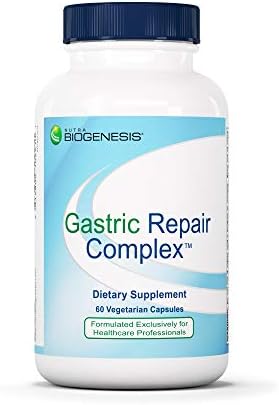
Specification | Details |
Form | Capsules (chewable or swallowable) |
Serving Size | 2 capsules after meals |
Key Ingredients | DGL 500 mg Mastic Gum 100 mg Aloe 100 mg Bismuth 100 mg |
Unique Feature | Includes bismuth and acid buffering minerals |
Target | Comprehensive gastric repair and protection |
Size | 60 capsules (30 servings) |
Price Range | $30 to $40 |
Why We Recommend It:
Nutra BioGenesis Gastric Support Complex represents an advanced approach to ulcer support by combining traditional botanicals with bismuth citrate and mineral bicarbonates, ingredients commonly found in pharmaceutical gastric treatments but rarely included in natural supplements. The 500mg dose of DGL provides substantial mucosal support, while mastic gum targets H. pylori colonization.
The addition of bismuth citrate is particularly noteworthy. Bismuth exhibits direct antimicrobial activity against H. pylori, creates a protective coating over ulcerated tissue, and has mild anti-inflammatory properties. It’s a key component of quadruple therapy (the gold-standard medical treatment for H. pylori) and significantly enhances eradication rates. The mineral bicarbonates (potassium and sodium bicarbonate) gently buffer excess stomach acid without completely suppressing acid production, maintaining the acid levels needed for proper digestion while reducing the burning and pain associated with ulcers.
Aloe vera gel (200:1 concentrate) provides a concentrated source of healing compounds, including polysaccharides, amino acids, and anti-inflammatory phytonutrients. The flexible format (capsules can be chewed for direct tissue contact or swallowed whole) accommodates different preferences. Users dealing with complex gastric issues, particularly those who haven’t responded adequately to botanical-only formulas, often find this advanced combination provides the comprehensive support needed for healing.
Pros:
- Includes bismuth citrate (pharmaceutical-grade ingredient)
- Mineral bicarbonates buffer excess acid gently
- High-dose DGL (500mg) for mucosal support
- Mastic gum targets H. pylori
- Concentrated aloe vera (200:1 extract)
- Chewable or swallowable format flexibility
- Advanced formula for stubborn gastric issues
- Made in USA by Nutra BioGenesis (20+ years)
Cons:
- Higher price than basic botanical formulas
- Bismuth can temporarily darken stools (harmless but alarming)
- Contains excipients (cellulose, silica)
- Not suitable for those avoiding mineral supplements
- Long-term bismuth use should be monitored
Dosing Guidelines and Best Practices
Supplement Type | Recommended Dose | Best Timing | Notes |
Zinc Carnosine | 75 mg twice daily | After breakfast and bed | Take with a little food |
DGL (Chewable) | 300 to 760 mg | 20 minutes before meals | Chew well do not swallow |
DGL (Capsule) | 350 mg per meal | 2 to 3 times daily | Can mix powder in water |
Mastic Gum | 500 to 1000 mg | Between meals | Empty stomach is best |
Chios Mastic | 1000 to 2000 mg | Between meals | Premium variety |
L Glutamine | 5 to 10 grams | Empty stomach | Mix with water or juice |
L reuteri | 100 to 200 mg | After breakfast | Pylopass specific form |
Slippery Elm | 100 to 400 mg | Before or with meals | Take with plenty of water |
Marshmallow Root | 200 to 1000 mg | Between meals | 2 hour gap from meds |
Aloe Vera Gel | 50 to 200 mg | With meals | Inner leaf extract only |
Botanical Mix | 1 to 2 capsules | With meals | Use as tea if preferred |
Complete Mix | Per label | With or between meals | Follow specific labels |
Critical Success Factors
Consistency is Essential: Ulcer healing requires 8-12 weeks of daily supplementation. Missing doses or stopping prematurely will not yield results. The gastric mucosa heals gradually, with new cells replacing damaged tissue over weeks, not days.
Timing Matters for Maximum Benefit: Chewable DGL must be taken 20 minutes before meals to coat the tissue before acid production increases. Zinc-carnosine works best on a relatively empty stomach (take with just a small snack) so it can adhere to gastric tissue rather than being diluted by food. Follow specific product instructions carefully.
Combine with Dietary Modifications: Supplements work best when combined with ulcer-friendly dietary changes, such as avoiding NSAIDs when possible, limiting alcohol and caffeine, eliminating smoking, managing stress, eating smaller, more frequent meals, and avoiding foods that trigger symptoms.
Support Antibiotic Therapy (When Prescribed): If you’re taking antibiotics for H. pylori, most supplements can be used concurrently to enhance effectiveness and reduce side effects. However, inform your physician about all supplements and take antibiotics and supplements at different times of day to avoid potential interactions.
Monitor Symptoms and Adjust: Keep a journal tracking symptoms, supplement timing, dietary triggers, and overall progress. If symptoms worsen or new symptoms develop, discontinue use and consult your healthcare provider.
Who Should Consider Ulcer Supplements?
Ideal Candidates
Active Peptic Ulcer Patients: Individuals diagnosed with gastric or duodenal ulcers who want to support conventional treatment, enhance healing rates, reduce symptoms, and prevent recurrence through natural mucosal support.
H. Pylori Positive Individuals: Those who test positive for H. pylori—whether symptomatic or not—can benefit from supplements that reduce bacterial load, enhance antibiotic effectiveness during treatment, and help prevent reinfection.
Chronic NSAID Users: People who must continue taking NSAIDs for arthritis, chronic pain, or cardiovascular protection can use preventive supplements to minimize gastric damage and reduce ulcer risk.
Post-Ulcer Maintenance: Individuals with a history of ulcers who want to prevent recurrence by maintaining robust mucosal defenses, supporting ongoing gastric health, and addressing underlying factors.
Chronic Gastritis Sufferers: Those experiencing persistent stomach inflammation, burning, bloating, nausea, and discomfort that may be precursors to ulcer development.
People Unable to Tolerate PPIs: Individuals who experience side effects from proton-pump inhibitors (headaches, nausea, diarrhea, nutrient malabsorption concerns) or who want to reduce PPI dependency.
Individuals Seeking Natural Approaches: Those philosophically aligned with natural health who want to support healing through evidence-based botanical and nutritional interventions alongside or instead of pharmaceutical options.
Important Considerations
Ulcer supplements work best as part of a comprehensive treatment including appropriate medical diagnosis, H. pylori testing, dietary modifications, stress management, and addressing lifestyle factors like smoking and alcohol. They are not replacements for necessary medical care—particularly in cases of bleeding ulcers, perforation, or severe symptoms requiring emergency intervention.
Always consult with a healthcare provider before starting ulcer supplements, especially if taking medications, pregnant, nursing, or dealing with other health conditions. Some supplements can interact with anticoagulants, diabetes medications, and other drugs. Blood work may be needed to monitor H. pylori status, rule out anemia, and ensure healing is progressing appropriately.
Realistic expectations aligned with healing timelines prevent disappointment. Most ulcers heal within 8-12 weeks with proper support, but complete symptom resolution may take several months as the mucosa fully regenerates and inflammation subsides.
How to Evaluate Ulcer Supplement Quality
Certifications and Standards to Look For
Third-Party Testing: USP Verified, NSF International, or ConsumerLab certification ensures that products contain the labeled ingredients at the stated potencies, free of contaminants, heavy metals, microbial contamination, or adulterants.
Practitioner-Grade Quality: Brands like Pure Encapsulations, Integrative Therapeutics, Designs for Health, Klaire Labs, and Life Extension maintain pharmaceutical-grade manufacturing standards, rigorous testing protocols, and are recommended by healthcare professionals.
Hypoallergenic Formulations: Products free from gluten, dairy, soy, artificial colors, flavors, preservatives, and common allergens reduce the risk of adverse reactions in individuals with sensitive digestive systems.
Clinically-Studied Ingredients: Look for branded ingredients such as PepZinGI® (zinc-carnosine), Pylopass™ (L. reuteri), and standardized extracts of mastic gum and DGL that have been studied in clinical trials.
GMP Certification: Current Good Manufacturing Practices certification indicates that products are produced in facilities that meet pharmaceutical-grade standards and adhere to proper quality control procedures and testing protocols.
Transparent Labeling: Reputable companies clearly list all ingredients, forms, and amounts—avoiding proprietary blends that hide individual ingredient quantities and prevent informed decision-making.
Red Flags to Avoid
Proprietary Blends Without Disclosure: When manufacturers list a “proprietary blend” total but don’t reveal individual ingredient quantities, it’s impossible to verify therapeutic doses. This often masks underdosed ingredients.
Unrealistic Claims: Products claiming to “cure” ulcers, “eliminate H. pylori permanently,” or guarantee results in days rather than weeks are misleading. While supplements support healing, they don’t work instantly and can’t cure bacterial infections on their own.
Artificial Additives in Digestive Products: Synthetic colors, artificial flavors, high-fructose corn syrup, and unnecessary fillers provide no benefits and may irritate already sensitive digestive systems.
Missing Dosage Information: Legitimate products clearly state serving sizes and provide usage instructions. Vague labeling suggests poor quality control and makes proper dosing impossible.
Extremely Low Prices: While affordability matters, suspiciously cheap ulcer supplements are likely to use inferior ingredient forms, lower doses, or lack proper quality-control testing. Premium ingredients and third-party testing have real costs.
Glycyrrhizinated Licorice (Not DGL): Whole licorice containing glycyrrhizin can raise blood pressure and cause potassium depletion with long-term use. Always choose DGL (deglycyrrhizinated) versions for safety.
Safety Considerations and Potential Interactions
Supplement-Medication Interactions
Antibiotics (H. Pylori Treatment): Most ulcer supplements can be taken alongside antibiotics to eradicate H. pylori and may enhance effectiveness while reducing side effects. However, take supplements and antibiotics at different times (separate by 2-4 hours) to avoid potential binding or absorption interference.
Proton-Pump Inhibitors (PPIs): Zinc-carnosine, DGL, and other mucosal-support supplements work synergistically with PPIs and can often help reduce PPI dosage or duration. Discuss any changes to prescribed medications with your physician.
Anticoagulants (Blood Thinners): Vitamin E, vitamin K, and some herbs can affect blood clotting. Inform your physician about all supplements if taking warfarin, heparin, or antiplatelet drugs.
Antacids and H2 Blockers: Some supplements (particularly DGL) may be less effective if stomach pH is drastically altered. Try to separate the timing of supplements from antacid use by 1-2 hours when possible.
Diabetes Medications: DGL and some herbs may affect blood sugar levels. Monitor blood glucose carefully and work with your physician to adjust medication if needed.
Thyroid Medications: Take zinc, calcium, and iron-containing supplements at least 4 hours apart from thyroid medication to avoid interference with absorption.
Safe Usage Guidelines
Start supplements one at a time, with 1-2 weeks between additions, to assess individual effects and quickly identify any problems. Begin with recommended doses rather than immediately using maximum amounts; more is not always better, and some individuals need lower doses initially.
Take supplements at the appropriate times for maximum benefit: chewable DGL before meals, zinc-carnosine between meals or with light snacks, and follow the specific product instructions carefully. Consistency is more important than perfect timing.
Monitor for improvements in symptoms (reduced burning, less frequent pain, better food tolerance) and any adverse effects (nausea, constipation, unusual symptoms). Keep a simple journal tracking supplements, doses, meals, and symptom changes.
Store supplements properly in cool, dry places away from direct sunlight, heat, and moisture. Check expiration dates regularly and discard expired products, as potency decreases over time.
Who Should Avoid or Use Extreme Caution
Individuals with Bleeding Ulcers or Perforation: These are medical emergencies requiring immediate physician care, not supplement treatment. Seek emergency medical attention for severe abdominal pain, blood in vomit or stool, or signs of internal bleeding.
Pregnant or Nursing Women: While many ulcer supplements are likely safe, insufficient research exists on the safety of most herbs and compounds during pregnancy or lactation. Consult healthcare providers before use.
Children Under 18: Pediatric dosing and safety profiles differ from adults. Use ulcer supplements in children only under the supervision of a pediatric gastroenterologist.
People with Severe Kidney or Liver Disease: Impaired organ function affects the metabolism and excretion of supplements. Medical supervision essential for safe supplementation.
Those Taking Multiple Medications: Complex medication regimens increase the risk of drug interactions. A pharmacist or physician should review the complete medication/supplement list to identify potential problems.
Individuals with Bismuth Sensitivity: Those who react to Pepto-Bismol or other bismuth-containing products should avoid supplements containing bismuth citrate or subsalicylate.
People Allergic to Licorice or Mastic: Skip products containing these ingredients if you have known allergies or have experienced adverse reactions previously.
Understanding Supplement Timelines
How Long Until You See Results?
Weeks 1-2 (Initial Phase): Symptom relief may begin within days for some individuals, particularly burning and acute discomfort. However, true healing hasn’t occurred yet—supplements are providing a protective coating and reducing inflammation, but damaged tissue hasn’t regenerated.
Weeks 3-6 (Early Healing Phase): Gastric mucosal cells begin regenerating more rapidly. Protective mucus production increases. H. pylori load starts decreasing (if using antimicrobial ingredients). Symptoms become less frequent and less severe. Food tolerance improves.
Weeks 7-12 (Active Healing Phase): Visible healing occurs if an endoscopy were performed. Ulcers shrink and eventually close. Chronic inflammation subsides significantly. Symptoms may resolve completely or reduce to minimal occasional discomfort. Most therapeutic benefits manifest during this period.
Months 3-6 (Consolidation Phase): Mucosal tissue continues strengthening and maturing. Protective mechanisms become more robust. Risk of recurrence decreases substantially. Maintenance supplementation may be appropriate to prevent relapse, particularly for those with ongoing risk factors.
Why Patience and Consistency Are Essential
Gastric mucosal healing follows biological timelines that cannot be rushed. Cells must divide, differentiate, migrate to areas of damage, and establish proper connections with surrounding tissue. This intricate process takes weeks, not days. People who discontinue supplements after 2-3 weeks because they “aren’t working” often miss out on healing that was beginning beneath the surface.
Additionally, H. pylori reduction occurs gradually as bacterial populations are suppressed and eliminated over repeated exposure to antimicrobial compounds. One week of mastic gum won’t eradicate established colonies, but 8-12 weeks of consistent use can significantly reduce the bacterial load and enhance the effectiveness of antibiotics.
Think of ulcer healing like recovering from a significant injury: you wouldn’t expect a deep wound to heal in days, and neither should you expect decade-old gastric damage to resolve instantly. Patience, combined with consistent supplementation and lifestyle modifications, yields the best long-term outcomes.
Combining Supplements for Synergistic Benefits
Strategic combinations address ulcer healing through multiple complementary pathways for potentially superior results:
The Complete Ulcer Healing Stack: Zinc-Carnosine 150mg + DGL Chewable before meals + Mastic Gum 1000mg + L-Glutamine 5g = comprehensive support for mucosal healing, H. pylori eradication, inflammation reduction, and cellular repair.
The H. Pylori Eradication Enhancer: Life Extension Gastro-Ease (zinc-carnosine + L. reuteri) + Jarrow Mastic Gum 1000mg + Lactoferrin 250mg = multi-mechanism H. pylori suppression that enhances antibiotic effectiveness.
The Gentle Soothing Stack: Pure Encapsulations DGL Plus + Slippery Elm Powder + Aloe Vera Juice = demulcent herbs that coat, soothe, and protect without harsh ingredients, ideal for sensitive systems.
The NSAID Protection Stack: Doctor’s Best PepZin GI + DGL Chewable before meals + Vitamin C 500mg = protective support for those who must continue NSAIDs for other health conditions.
The Stress-Related Gastritis Stack: Zinc-Carnosine + L-Glutamine + Magnesium Glycinate (for stress reduction) + Probiotic with L. reuteri = addresses both physical mucosal damage and stress-induced acid hypersecretion.
Important Combination Considerations
When stacking supplements, introduce products gradually (one every 1-2 weeks) to identify individual effects and quickly pinpoint any adverse reactions. More supplements don’t automatically lead to better results—targeted combinations addressing your specific situation (H. pylori-positive, NSAID use, stress-related, etc.) yield better outcomes than indiscriminate supplementation.
Monitor total nutrient doses across multiple products. For example, if taking three products containing zinc, calculate the total elemental zinc to ensure you’re not exceeding the safe upper limit (40mg daily for adults unless under medical supervision).
Some combinations require timing adjustments. For instance, take DGL 20 minutes before meals, but zinc-carnosine between meals or with light snacks. Create a simple schedule ensuring each supplement is taken at its optimal time for maximum benefit.
Working with Healthcare Providers
The most effective ulcer treatment combines conventional medical care with targeted supplementation under professional guidance:
Gastroenterologists: Specialists in digestive diseases who can perform endoscopy, biopsy tissue, test for H. pylori, prescribe appropriate medications, and monitor healing progress through follow-up procedures. Inform your gastroenterologist about all supplements you’re taking.
Integrative or Functional Medicine Doctors: Physicians trained in both conventional medicine and evidence-based complementary approaches who can develop comprehensive treatment plans incorporating supplements, dietary modifications, stress management, and pharmaceutical interventions when necessary.
Naturopathic Doctors: NDs receive extensive training in botanical medicine, nutrition, and natural therapeutics alongside conventional diagnostics. Many specialize in gastrointestinal conditions and can prescribe both natural supplements and pharmaceutical medications in most states.
Clinical Nutritionists or Registered Dietitians: Specialists who can develop ulcer-friendly meal plans, identify food sensitivities or triggers, ensure adequate nutrient intake for healing, and recommend dietary supplements to fill gaps.
Pharmacists: Often overlooked resources who can review medication-supplement interactions, identify potential problems, and suggest timing strategies to minimize conflicts while maximizing benefits.
Preparing for Appointments
Document your complete symptom history, including when pain occurs (before meals, after meals, during the night), what foods or situations trigger symptoms, what provides relief, and how symptoms have changed over time. Bring a list of all medications, supplements, and dosages you’re currently taking.
Request appropriate testing: H. pylori testing (breath test, stool antigen, or biopsy), endoscopy if symptoms are severe or persistent, blood work to check for anemia (which can indicate bleeding ulcers), and follow-up testing after treatment to confirm H. pylori eradication and ulcer healing.
Ask about combining supplements with conventional treatment. Most physicians appreciate patients who take an active role in their health and are willing to discuss evidence-based complementary approaches. Bring published research on supplements you want to use if your doctor isn’t familiar with them.
Final Recommendations
Best Overall Ulcer Supplement: Doctor’s Best PepZin GI provides the clinically-studied zinc-carnosine complex used in decades of Japanese research, offering reliable mucosal healing support at an excellent value. The pure formulation, without unnecessary additives, makes this the foundation of any ulcer-healing protocol.
Best for H. Pylori Support: Life Extension Gastro-Ease combines zinc-carnosine with Pylopass™ L. reuteri for dual-action mucosa healing and bacterial reduction. This sophisticated formula addresses both tissue damage and underlying infection simultaneously.
Best Comprehensive Formula: Designs for Health GastroMend-HP delivers five synergistic ingredients targeting multiple healing pathways. While premium-priced, it’s particularly effective for stubborn gastric issues that haven’t responded to simpler approaches.
Best Chewable Option: Klaire Labs Mastic Gum/DGL Chewable combines antimicrobial mastic with soothing DGL in pleasant-tasting tablets that deliver therapeutic compounds directly to gastric tissue for maximum benefit.
Best Budget Choice: Nature’s Way DGL provides time-tested licorice support at exceptional value. While not as comprehensive as multi-ingredient formulas, high-dose DGL alone provides meaningful relief for many individuals with gastritis and mild ulcers.
Best for NSAID Protection: Doctor’s Best PepZin GI taken preventively can significantly reduce NSAID-induced gastric damage for those who must continue these medications for other health conditions.
Best Herbal Blend: Pure Encapsulations DGL Plus combines four gentle demulcent herbs ideal for sensitive digestive systems and long-term maintenance after active healing.
Best High-Potency Mastic: Jarrow Formulas Mastic Gum 1000mg delivers therapeutic doses proven effective for H. pylori inhibition and ulcer healing support in clinical research.
Best Multi-Ingredient Value: NOW Foods Gastro Comfort combines PepZinGI®, mastic gum, aloe vera, and slippery elm at an affordable price, making comprehensive support accessible to everyone.
Best Advanced Formula: Nutra BioGenesis Gastric Support Complex includes bismuth and mineral bicarbonates alongside botanicals for pharmaceutical-level comprehensive support rarely found in natural products.
Remember that ulcer supplements are tools supporting healing, not magic solutions. The most effective approach combines targeted supplementation with appropriate medical care, H. pylori eradication if needed, dietary modifications, stress management, elimination of irritants (NSAIDs, alcohol, smoking), and patience during the healing process. Earlier intervention prevents complications and yields better outcomes than waiting until ulcers become severe or chronic.
Consistency over 8-12 weeks minimum is absolutely essential. Gastric mucosa regenerates slowly, following biological timelines that can’t be rushed. People who discontinue supplements after 3-4 weeks due to lack of immediate dramatic changes miss out on healing that was progressing beneath the surface. Trust the process, maintain consistency, work with your healthcare provider, and give your body the time and support it needs to heal properly.
Affiliate Disclosure: Stem & Stone earns a commission on qualifying purchases. Our recommendations are based on research and user feedback, not affiliate relationships.
Leave a Reply