
Finding quality recovery supplements requires navigating a cluttered market where third-party testing separates effective products from questionable ones.
This guide identifies 10 verified, currently available supplements across key recovery categories, prioritizing NSF Certified for Sport and Informed Sport certifications to ensure banned-substance testing and label accuracy. Whether you’re a competitive athlete requiring drug-tested products or a recreational fitness enthusiast seeking reliable recovery support, these selections balance efficacy, quality assurance, and value.
How recovery supplements actually work
Recovery supplements target distinct physiological pathways that accelerate your body’s return to baseline after training stress. Amino acids (BCAAs, EAAs, glutamine) provide raw materials for muscle protein synthesis while reducing protein breakdown. Anti-inflammatory compounds such as omega-3s, tart cherry anthocyanins, and curcumin modulate inflammation through prostaglandin pathways and by reducing cytokines—similar to NSAIDs but without gastrointestinal side effects. Minerals and electrolytes restore what’s lost through sweat while supporting the 300+ enzymatic reactions required for ATP production and muscle function. Understanding these mechanisms helps you prioritize which supplements address your specific recovery bottlenecks.
Top 10 Recovery Supplements
1. Thorne Amino Complex (EAA/BCAA)
Premium athlete choice

Specification | Details |
Price | $35 to $45 |
Serving Size | 1 scoop (7.6 g) / 30 servings |
Form | Berry flavored powder |
Certification | NSF Certified for Sport |
This complete essential amino acid formula delivers all nine EAAs in clinically validated ratios, with 1.25g leucine per serving to trigger muscle protein synthesis. The NSF Certified for Sport designation means every batch undergoes testing for 270+ banned substances, making it safe for competitive athletes across the NFL, MLB, NHL, and Olympic programs. Thorne partners with Mayo Clinic on research and serves as the official supplement provider for U.S. National Teams.
Pros: Gold-standard third-party testing; complete EAA profile; no artificial sweeteners (stevia-sweetened); trusted by 100+ professional sports teams
Cons: Premium price point (~$1.20–$1.50/serving); some users note stevia aftertaste; limited flavor options
2. NOW Foods BCAA Powder
Budget-friendly certified option
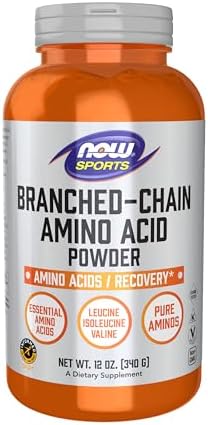
Specification | Details |
Price | $22 to $28 |
Serving Size | 2 tsp (approx 5.2 g) / approx 65 servings |
Form | Unflavored powder |
Certification | Informed Sport Certified |
For cost-conscious athletes who still require third-party testing, NOW Foods delivers pharmaceutical-grade BCAAs at roughly $0.35–$0.43 per serving. The Informed Sport certification tests every batch for 285 substances banned by WADA, maintaining athletic compliance without the Thorne premium. The unflavored formula mixes into any beverage, though the naturally bitter amino acid taste requires masking.
Pros: Excellent value with sport certification; Informed Sport batch testing; family-owned company since 1968; pure formula without fillers
Cons: Bitter, unflavored taste; contains milk derivative; requires vigorous mixing
3. Thorne Curcumin Phytosome (Meriva)
Superior bioavailability of anti-inflammatories
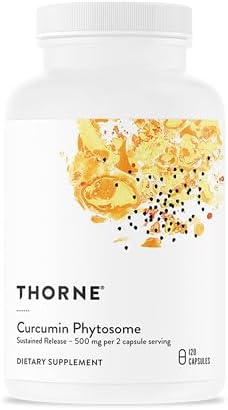
Specification | Details |
Price | $35 to $45 |
Serving Size | 2 capsules (500 mg) / 60 servings |
Form | Sustained release vegetable capsules |
Certification | NSF Certified for Sport |
Standard curcumin supplements suffer from notoriously poor absorption—Meriva’s phospholipid complex delivers 29x greater bioavailability than ordinary curcumin. More than 30 clinical trials support this formulation’s role in promoting a healthy inflammatory response in joints, muscles, and connective tissue. The sustained-release design extends benefits throughout the day, making it particularly effective for athletes managing training-induced inflammation without NSAIDs.
Pros: NSF Certified for Sport; most clinically studied curcumin form; dramatically enhanced absorption; vegetarian capsules
Cons: Premium pricing; requires 2 capsules per serving; lower raw dose (but vastly better absorbed)
4. Nordic Naturals Ultimate Omega
Gold-standard fish oil

Specification | Details |
Price | $52 to $65 (180 soft gels) |
Serving Size | 2 soft gels / 90 servings |
Form | Lemon flavored soft gels |
Key Specs | 1,280 mg omega 3’s (650 mg EPA 450 mg DHA) per serving |
The #1 doctor-recommended fish oil brand delivers omega-3s in triglyceride form—absorbing 70% better than cheaper ethyl ester alternatives. The concentrated EPA content (650mg) specifically targets inflammatory pathways involved in exercise recovery, while DHA supports nervous system function. Friend of the Sea certification ensures sustainable sourcing from wild-caught anchovies and sardines. The lemon flavoring eliminates fishy burps, a common complaint with lower-quality fish oils.
Pros: Triglyceride form for superior absorption; concentrated EPA/DHA; no fishy aftertaste; 10+ industry awards; Certificates of Analysis publicly available
Cons: Premium pricing; large softgels; not IFOS-certified (though independently tested)
5. Thorne Magnesium Bisglycinate Powder
Optimal recovery and sleep support

Specification | Details |
Price | $32 to $38 |
Serving Size | 1 scoop (200 mg magnesium) / 60 servings |
Form | Powder monk fruit sweetened |
Certification | NSF Certified for Sport |
Magnesium bisglycinate represents the gold standard for athletic recovery—the chelated form provides superior absorption while the glycine amino acid itself promotes relaxation and sleep quality. Unlike magnesium oxide or citrate, bisglycinate minimizes the laxative effect that plagues other forms. The powder format allows flexible dosing, and NSF certification ensures that competitive athletes can supplement safely. Magnesium serves as a cofactor in more than 300 enzymatic reactions, including ATP synthesis.
Pros: NSF Certified for Sport; superior bioavailability; minimal GI side effects; supports both recovery and sleep; flexible powder dosing
Cons: Higher price than tablet alternatives; powder is less travel-convenient; slight smell noted by some users
6. LMNT Zero Sugar Electrolytes
Science-backed hydration

Specification | Details |
Price | $39 to $45 (30 stick packs) |
Serving Size | 1 stick pack (6 g) |
Key Specs | 1,000 mg sodium 200 mg potassium 60 mg magnesium |
LMNT addresses what most electrolyte products get wrong: inadequate sodium. Athletes can lose 3,500–7,000mg of sodium daily during intense training in heat, yet most sports drinks provide only 200–400mg. LMNT’s 1,000mg of sodium per serving aligns with research on optimal rehydration, while the zero-sugar formula supports keto, paleo, and fasting protocols. Co-founded by Robb Wolf, the product maintains a 4.5+ star rating with 16,000+ reviews. Multiple flavors available (Citrus Salt, Raspberry, Watermelon, Grapefruit).
Pros: Optimal sodium content for heavy sweaters; zero sugar/artificial ingredients; convenient single-serve packets; excellent taste ratings
Cons: Premium pricing (~$1.30–$1.50/serving); high sodium unsuitable for hypertension; not third-party sport certified
7. Sports Research Collagen Peptides
Best value joint support

Specification | Details |
Price | $26 to $32 (16 oz) |
Serving Size | 1 scoop (11 g) / 41 servings |
Form | Unflavored powder |
Key Specs | Type I and III collagen grass fed bovine source |
Amazon’s #3 best-selling collagen supplement delivers hydrolyzed peptides from grass-fed, pasture-raised cattle at roughly $0.65–$0.78 per serving. The hydrolyzed form features low molecular weight for superior absorption, providing amino acids (glycine, proline, hydroxyproline) that support tendon, ligament, and joint recovery. Studies show 5–10g daily collagen peptides reduce activity-related joint pain over 12 weeks. The unflavored powder dissolves easily in coffee, smoothies, or water.
Pros: Amazon Best Seller with 128,000+ reviews; excellent value; third-party tested; Paleo/Keto certified; single pure ingredient; “Track Your Lot” transparency
Cons: Not NSF Certified for Sport; may clump in cold liquids; no added vitamin C for collagen synthesis
8. Sports Research Tart Cherry Concentrate
Natural inflammation support

Specification | Details |
Price | $17 to $22 (60 soft gels) |
Serving Size | 1 soft gel (800 mg) / 60 servings |
Form | Liquid soft gels |
Key Specs | CherryPURE organic Montmorency tart cherries |
Anthocyanins in tart cherries function as natural anti-inflammatory agents, reducing C-reactive protein and IL-6 and modulating muscle pH after exercise. This formula uses CherryPURE®, a branded organic Montmorency concentrate, in liquid softgel form for improved absorption compared to tablets or powders. Research supports a 4–5-day loading protocol before competition, followed by 2–3 days of continued training. The low-calorie format (5 calories, no sugar) provides cherry benefits without the sugar content of tart cherry juice.
Pros: Premium CherryPURE® branded ingredient; liquid softgel absorption; IGEN Non-GMO tested; family-owned company since 1980; filler-free
Cons: Contains gelatin (not vegan); some softgels may stick together; capsule form may be less effective than juice in some research
9. NOW Foods Double Strength HMB
Muscle preservation during cutting

Specification | Details |
Price | $22 to $25 |
Serving Size | 1 tablet (1,000 mg) / 90 servings |
Form | Vegetarian tablets |
Certification | Informed Sport Certified |
HMB (β-Hydroxy-β-Methylbutyrate) is a leucine metabolite that’s 20x more potent than leucine for preventing muscle breakdown. While BCAAs support muscle building, HMB specifically combats catabolism, making it invaluable during calorie deficits, injury recovery, or intense training blocks. The myHMB® licensed ingredient in this formula is backed by extensive research. Informed Sport certification ensures batch testing for banned substances. Clinical dosing requires 3g daily (3 tablets), providing 30 days of optimal supplementation.
Pros: Informed Sport certified for athletes; clinically researched myHMB® ingredient; double-strength formula; vegetarian-friendly
Cons: Requires 3 tablets daily for the clinical dose; tablets are relatively large
10. Jarrow Formulas QH-Absorb Ubiquinol
Active-form CoQ10 for cellular recovery

Specification | Details |
Price | $35 to $45 (120 soft gels) |
Serving Size | 1 soft gel (100 mg) / 120 servings |
Form | Soft gels with proliposomal delivery |
Key Specs | Kaneka Ubiquinol (reduced active form) |
CoQ10 drives ATP production in mitochondria, the energy currency fueling muscle contraction and recovery. Ubiquinol is the reduced, active form that doesn’t require conversion in the body, making it particularly effective for adults over 40 whose natural CoQ10 levels decline. Clinical studies show this formula increases blood CoQ10 levels by 222% at 100mg/day and 777% at 300mg/day. The proliposomal delivery system enhances absorption, and the 120-count bottle provides four months of supplementation.
Pros: Active ubiquinol form (no conversion needed); Kaneka® premium ingredient; clinically proven absorption; excellent 4-month value
Cons: Contains bovine gelatin (not vegetarian); higher price than ubiquinone forms; may contain soy traces
Dosing and Timing Guidelines
Optimal supplementation depends on timing relative to training:
Supplement | Daily Dose | Timing | Notes |
BCAAs and EAAs | 5 to 15 g | Pre intra and post workout | Before fasted training is particularly beneficial |
Glutamine | 5 to 10 g | Post workout divided doses | Max 5 g per dose for optimal absorption |
Curcumin | 200 to 500 mg bioavailable form | With meals | Start 2 to 3 days before demanding training |
Omega 3s | 2 to 3 g EPA plus DHA | With fatty meals | Benefits manifest after 2 to 4 weeks |
Magnesium | 200 to 400 mg | 30 to 60 minutes before bed | Takes up to 6 months for optimal levels |
Electrolytes | Based on sweat loss | Before during and after exercise | Heavy sweaters need 300 to 700 mg sodium per hour |
Collagen | 10 to 20 g | Anytime consistency matters | With vitamin C enhances synthesis |
Tart Cherry | 480 to 1,000 mg | 4 to 5 days before competition | Continue 2 to 3 days after |
HMB | 3 g divided 3 times daily | Throughout day | Start 2 plus weeks before demanding periods |
CoQ10 | 100 to 300 mg | Morning with fat containing meal | May take 1 to 6 months for full benefits |
Who Benefits Most?
Competitive athletes under drug testing should prioritize NSF Certified for Sport or Informed Sport products—Thorne, NOW Sports, and Sports Research offer certified options across categories. Endurance athletes (runners, cyclists, triathletes) benefit most from electrolytes, tart cherry, omega-3s, and magnesium to manage inflammation and maintain hydration during high-volume training.
Strength athletes in cutting phases should consider HMB for muscle preservation alongside BCAAs/EAAs. Master athletes (40+) face declining CoQ10 and collagen production, making supplementation in these categories particularly valuable. Recreational exercisers experiencing persistent soreness or slow recovery can start with magnesium and omega-3s—two supplements with broad benefits and excellent safety profiles.
Those with inadequate dietary protein gain more from amino acid supplementation than athletes already consuming 1.6–2.2g protein per kilogram bodyweight. Similarly, individuals who eat fatty fish twice weekly may see lower benefits from fish oil than those who rarely eat seafood.
Quality evaluation:
Certifications that matter
Third-party testing separates legitimate supplements from questionable products. The supplement industry lacks FDA pre-market approval, placing responsibility on consumers to verify quality.
NSF Certified for Sport represents the gold standard—testing for 270+ banned substances while verifying label accuracy through facility audits. The NFL, MLB, NHL, NBA, PGA, LPGA, USADA, and Olympic programs recognize this certification. Informed Sport provides comparable rigor, testing every batch for 285 WADA-prohibited substances before release.
USP Verified focuses on pharmaceutical-grade standards (identity, potency, contaminants) but lacks sport-specific banned substance testing. IFOS (International Fish Oil Standards) specifically evaluates fish oil for purity, potency, and freshness—look for this on omega-3 products.
Red flags to avoid include proprietary blends that hide individual ingredient amounts, missing lot numbers or expiration dates, claims that sound too good to be true, and prices dramatically below competitors’ (quality ingredients cost money).
Safety Considerations & Interactions
Most recovery supplements carry favorable safety profiles at recommended doses, but several interactions warrant attention:
Blood thinners: Omega-3s, CoQ10, and curcumin may enhance anticoagulant effects—consult your physician before combining with warfarin or other blood thinners. Blood pressure medications: Magnesium and CoQ10 can potentiate hypotensive effects. Thyroid medications: Ashwagandha may affect thyroid function; those with thyroid conditions should avoid it. Diabetes medications: Curcumin and ashwagandha may affect blood sugar levels.
Pregnant or breastfeeding women, individuals with kidney or liver disease, those with autoimmune conditions, and anyone on multiple medications should consult healthcare providers before starting supplementation. Pre-surgical patients should discontinue omega-3s, CoQ10, and curcumin 1–2 weeks before procedures to minimize the risk of bleeding.
Conclusion
The recovery supplement landscape rewards informed consumers who prioritize third-party testing over marketing claims. Thorne and NOW Foods consistently emerge as category leaders: Thorne for premium NSF Certified for Sport formulations; NOW Foods for budget-friendly Informed Sport alternatives. Sports Research provides excellent value in categories such as collagen and tart cherry, with solid (though not sport-specific) testing protocols.
Start with supplements that address your specific recovery bottlenecks, rather than stacking everything at once. For most athletes, magnesium and omega-3s offer the broadest benefits with minimal risk—add targeted supplements like HMB (during cutting), tart cherry (around competitions), or collagen (for joint concerns) based on individual needs. Remember that supplements complement—never replace—adequate sleep, proper nutrition, and intelligent training periodization.
Affiliate Disclosure: Stem & Stone earns from qualifying purchases. Our recommendations are based on research and user feedback, not affiliate relationships.
Leave a Reply