
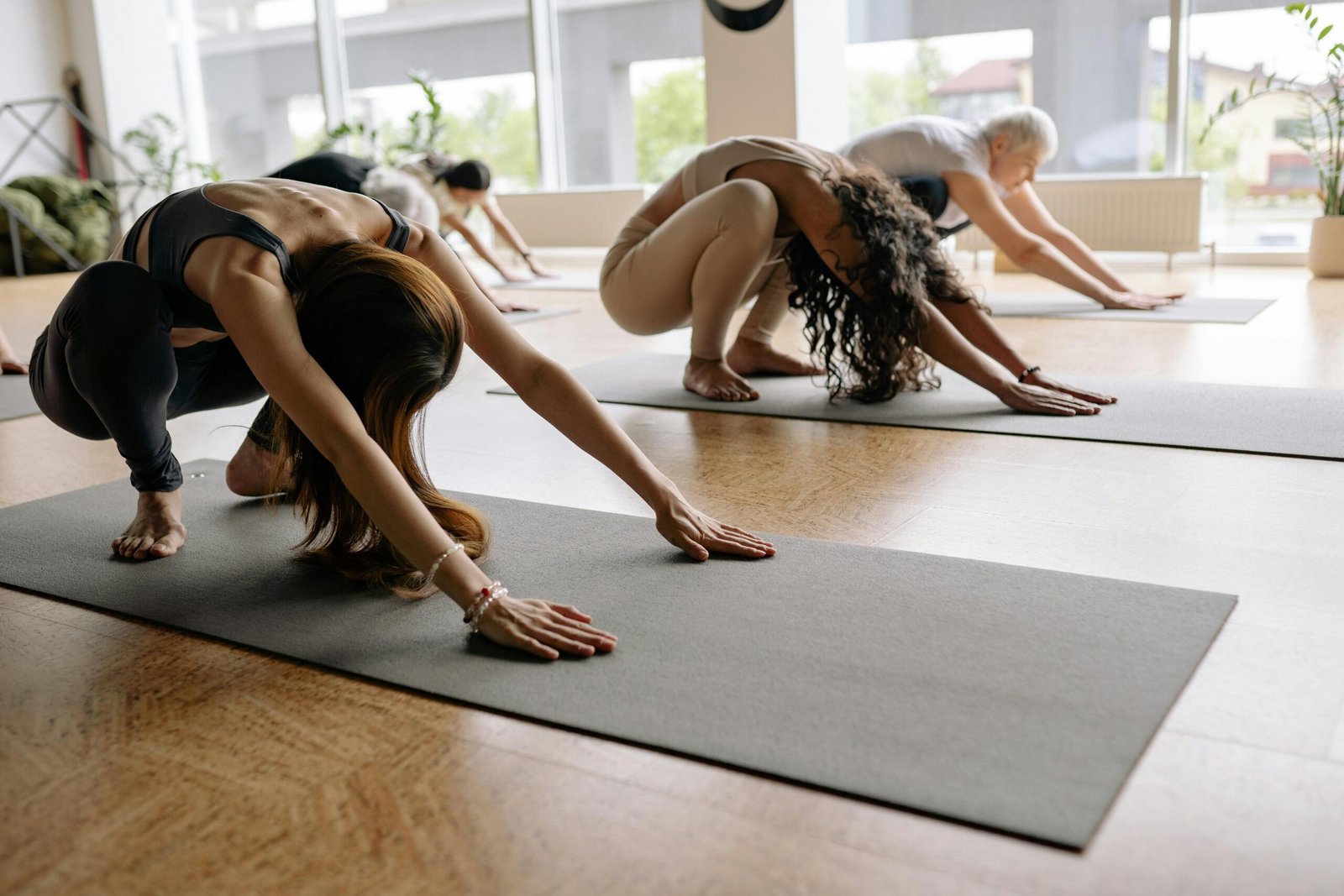
Finding the perfect yoga mat can transform your practice. Whether you’re flowing through vinyasa, holding yin poses, or sweating through hot yoga, the right mat provides the grip, cushioning, and stability you need. This comprehensive guide covers 12 top-rated yoga mats across all categories and price points.
Quick Comparison Table
Product | Category | Thickness | Price Range | Best For |
Manduka PRO | Premium | 6mm | $110-$130 | Serious practitioners, lifetime investment |
Liforme Original | Premium | 4.2mm | $130-$150 | Alignment focused practice, hot yoga |
Jade Harmony | Premium Eco | 5mm | $80-$100 | Eco conscious yogis, excellent grip |
Manduka eKO | Eco Friendly | 5mm | $85-$110 | Sustainable practice, natural feel |
Satori Concept Cork | Eco Friendly | 6mm | $50-$70 | Hot yoga, natural materials |
Ewedoos TPE | Value Eco | 6mm | $25-$40 | Budget eco friendly, alignment guides |
Gaiam Premium | Mid Range | 6mm | $18-$25 | Beginners, studio practice |
BalanceFrom GoYoga | Budget | 6mm | $15-$25 | Home practice, beginners |
Amazon Basics | Budget | 13mm | $18-$25 | Extra cushioning, floor exercises |
Retrospec Solana | Budget | 13mm | $20-$30 | Joint support, Pilates |
Gaiam Essentials 10mm | Extra Thick | 10mm | $25-$35 | Maximum cushioning, sensitive joints |
Manduka eKO SuperLite | Travel | 1.5mm | $50-$70 | Travel, portable practice |
Premium Yoga Mats
Manduka PRO Yoga Mat 6mm
The gold standard for serious practitioners
The Manduka PRO has earned legendary status among yoga teachers and dedicated practitioners. Handmade in Germany with ultra-dense 6mm cushioning, this mat delivers unmatched durability and joint protection. The closed-cell surface prevents moisture absorption, keeping the mat hygienic for years of daily practice.
- Price Range: $110-$130
- Dimensions: 71″ x 26″ x 6mm
- Weight: 7.5 lbs
- Material: High-density PVC, OEKO-TEX certified

Pros:
- Lifetime guarantee from Manduka
- Ultra-dense cushioning adapts to your body over time
- Closed-cell construction prevents bacteria and odor
- Textured surface grip improves with use
- Made in an emissions-free German facility
Cons:
- Heavy at 7.5 lbs, not ideal for commuting
- Requires a break-in period for optimal grip
- Premium price point
- May feel slippery initially when sweating
Best For: Yoga teachers, daily practitioners, home studio setups, and anyone wanting a lifetime mat investment
Liforme Original Yoga Mat
Revolutionary alignment system with unbeatable grip
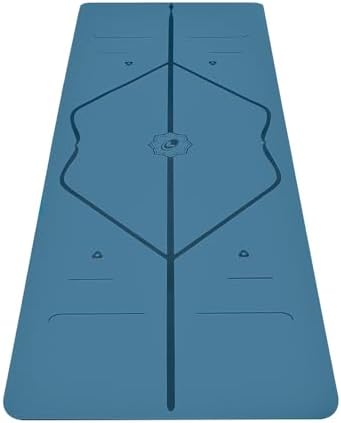
The Liforme mat changed the industry with its patented AlignForMe system, featuring intelligent markers that guide hand and foot placement for proper alignment. The proprietary GripForMe technology delivers exceptional traction that improves in wet conditions, making it ideal for hot yoga and sweaty practices.
- Price Range: $130-$150
- Dimensions: 72.8″ x 26.8″ x 4.2mm
- Weight: 5.5 lbs
- Material: Eco-polyurethane top, natural rubber base
Pros:
- Patented alignment markers prevent injuries and improve form
- GripForMe technology stays grippy even when wet
- Longer and wider than standard mats
- Biodegradable materials, PVC-free
- Includes a free yoga bag
Cons:
- Highest price point in the market
- Natural rubber base has latex content (99% latex-free)
- Alignment lines may distract some practitioners
- Not as cushioned as thicker mats
Best For: Hot yoga enthusiasts, alignment-focused practice, intermediate to advanced practitioners, those wanting premium grip performance
JadeYoga Harmony Yoga Mat
Premium natural rubber with environmental commitment
The Jade Harmony remains the gold standard for natural rubber yoga mats. Made in the USA from sustainably harvested tree rubber, this mat provides exceptional grip that outperforms synthetic alternatives. JadeYoga plants a tree for every mat sold, having planted over 2.5 million trees since 2006.
- Price Range: $80-$100
- Dimensions: 68″ x 24″ x 5mm (3/16″)
- Weight: 5 lbs
- Material: 100% natural rubber, open-cell construction

Pros:
- Superior grip from natural open-cell rubber
- Made in the USA with sustainable materials
- No PVC, synthetic rubber, or harmful chemicals
- A tree is planted for every mat purchased
- Excellent for all yoga styles, including hot yoga
Cons:
- Natural rubber smell initially (fades over time)
- Not recommended for outdoor use or sun exposure
- Heavier than synthetic alternatives
- An open-cell structure may absorb some moisture
Best For: Eco-conscious practitioners, those wanting maximum grip, Bikram and vinyasa practitioners, environmentally-minded yogis
Eco-Friendly Yoga Mats
Manduka eKO Yoga Mat 5mm
Sustainable performance from natural tree rubber
The Manduka eKO combines environmental responsibility with professional-grade performance. Made from sustainably harvested, non-Amazon-tree rubber with over 30% recycled content, this mat features an improved Catch-Grip surface for impressive wet- and dry-traction, plus a Responsive Ride layer for cushioned support.
- Price Range: $85-$110
- Dimensions: 71″ x 26″ x 5mm
- Weight: 7 lbs
- Material: Natural tree rubber, recycled content

Pros:
- Made from sustainably harvested natural rubber
- Over 30% recycled material content
- Improved wet/dry grip technology
- Wider than standard mats at 26″
- Zero-waste manufacturing process
Cons:
- Natural rubber requires specific cleaning care
- Should not be exposed to direct sunlight
- May feel slippery without proper break-in
- Recommend using a hand towel for sweaty practices
Best For: Environmentally-conscious practitioners, those transitioning from synthetic to natural mats, studio and home practice
Satori Concept Cork Yoga Mat
Natural cork surface that grips better when wet
The Satori Concept Cork mat offers a unique practice experience with its natural cork surface and tree rubber base. Cork provides an antimicrobial, self-cleaning surface that actually becomes grippier as you sweat, eliminating the need for a separate yoga towel during hot or vigorous practices.
- Price Range: $50-$70
- Dimensions: 72″ x 24″ x 4mm (also available in 80″ x 26″ x 6mm)
- Weight: 4.5 lbs
- Material: Natural cork top, natural tree rubber base

Pros:
- Cork surface improves grip when wet
- Naturally antimicrobial and easy to clean
- No chemical smell like some rubber mats
- Sustainable and biodegradable materials
- Free carrying strap included
Cons:
- The cork surface may feel different than traditional mats
- Less cushioning than thicker foam mats
- May show wear patterns over time
- Heavier than budget synthetic options
Best For: Hot yoga practitioners, those who sweat heavily, and eco-conscious yogis wanting natural materials
Ewedoos TPE Yoga Mat
Affordable eco-friendly option with alignment guides
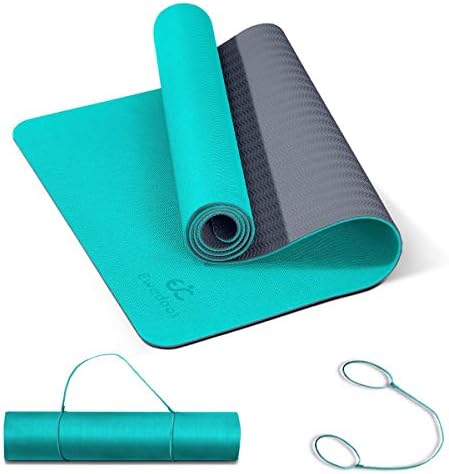
The Ewedoos TPE mat proves you don’t need to spend a fortune on an eco-friendly yoga mat. Made from SGS-certified TPE, PVC- and latex-free, this mat features alignment marks, a three-layer anti-tear construction, and dual non-slip surfaces at a budget-friendly price.
- Price Range: $25-$40
- Dimensions: 72″ x 24″ x 6mm (1/4″)
- Weight: 2.5 lbs
- Material: TPE (Thermoplastic Elastomer), SGS certified
Pros:
- Eco-friendly TPE material, no PVC or latex
- Alignment lines guide proper positioning
- Three-layer construction resists tearing
- Dual non-slip surfaces, top and bottom
- Free carrying strap included
Cons:
- Less durable than premium natural rubber
- May not provide grip of higher-end mats
- Thinner cushioning than foam alternatives
- Alignment lines may fade with heavy use
Best For: Budget-conscious, eco-friendly shoppers, beginners learning alignment, and home practice
Budget-Friendly Yoga Mats
Gaiam Essentials Premium Yoga Mat
Trusted brand quality at an accessible price
Gaiam has been a household name in yoga for decades, and its Essentials line delivers reliable quality for beginners and casual practitioners. This 6mm (1/4″) mat features a textured non-slip surface and includes a convenient carrying sling for easy transport to class.
- Price Range: $18-$25
- Dimensions: 72″ x 24″ x 6mm (1/4″)
- Weight: 3.5 lbs
- Material: 6P-free PVC

Pros:
- Established brand with proven quality
- 6P-free PVC (no harmful phthalates)
- Textured non-slip surface
- Includes carrying sling/strap
- Available in multiple colors
Cons:
- May have an initial odor (air out 2-3 days)
- Not as grippy as premium mats when wet
- Standard dimensions may feel small for taller users
- Less durable than higher-end options
Best For: Beginners, studio classes, occasional practice, those wanting a trusted brand at an affordable price
BalanceFrom GoYoga All-Purpose Mat
Amazon bestseller with exceptional value
The BalanceFrom GoYoga mat consistently ranks among Amazon’s bestselling yoga mats, offering solid performance at an unbeatable price. The high-density foam provides comfortable cushioning while the double-sided non-slip surface keeps you stable during practice.
- Price Range: $15-$25
- Dimensions: 68″ x 24″ x 6mm (1/4″)
- Weight: 2 lbs
- Material: High-density NBR foam

Pros:
- Exceptional value for the price
- High-density foam cushioning
- Double-sided non-slip surfaces
- Moisture-resistant and easy to clean
- 2-year warranty included
- Free carrying strap
Cons:
- Slightly shorter at 68″ in length
- May not hold up to daily intensive use
- Less grippy than rubber or PVC mats
- Foam material is less stable for balance poses
Best For: Beginners, budget shoppers, home practice, occasional use
Amazon Basics Extra Thick Exercise Yoga Mat
Maximum cushioning for sensitive joints
When joint protection is your priority, the Amazon Basics Extra Thick mat delivers 1/2 inch (13mm) of high-density foam cushioning. This extra padding protects knees, elbows, and spine during floor exercises, making it ideal for those with joint sensitivity or for use on hard surfaces.
- Price Range: $18-$25
- Dimensions: 74″ x 24″ x 13mm (1/2″)
- Weight: 2.5 lbs
- Material: High-density NBR foam

Pros:
- Extra-thick 1/2″ cushioning for joint protection
- Longer than standard mats at 74.”
- Textured surface for traction
- Includes a carrying strap
- Great for floor exercises beyond yoga
Cons:
- Very thick foam reduces balance stability
- May feel spongy for standing poses
- Not ideal for traditional yoga practice
- Less grip than rubber or PVC mats
Best For: Those with joint pain, floor exercises, Pilates, stretching routines, and exercise on hard floors
Retrospec Solana Yoga Mat 1/2″
Premium cushioning at budget prices
The Retrospec Solana delivers comfort-focused performance with 1/2″ of high-density NBR foam. The ribbed non-slip surface provides stability while the generous cushioning protects pressure points during floor work. BPA-free and free of harsh chemicals.
- Price Range: $20-$30
- Dimensions: 72″ x 24″ x 13mm (1/2″)
- Weight: 2.5 lbs
- Material: High-density NBR foam, BPA-free

Pros:
- Extra-thick cushioning for joint support
- Ribbed texture prevents slipping
- BPA-free and chemical-free materials
- Includes nylon carrying strap
- Easy to clean with soap and water
Cons:
- Thickness reduces stability for balance poses
- Not ideal for traditional yoga
- May compress over time with heavy use
- Less grip when wet
Best For: Joint protection, Pilates, floor workouts, stretching, restorative practices
Specialty Yoga Mats
Gaiam Essentials Thick Yoga Mat 10mm
Maximum cushioning for ultimate comfort
When standard thickness just isn’t enough, the Gaiam Essentials 10mm (2/5″) mat provides cloud-like cushioning for sensitive joints. The high-density NBR foam delivers plush support while the textured surface maintains traction during practice.
- Price Range: $25-$35
- Dimensions: 72″ x 24″ x 10mm (2/5″)
- Weight: 2.5 lbs
- Material: High-density NBR foam

Pros:
- 10mm thick for maximum joint cushioning
- Shock-absorbing for high-impact moves
- Odor-resistant and easy to clean
- Easy-cinch carrying strap included
- Versatile for yoga, Pilates, and fitness
Cons:
- Thickness compromises balance and stability
- Not recommended for standing balance poses
- May feel unstable for beginners
- Heavier than standard yoga mats
Best For: Those needing maximum cushioning, physical therapy, gentle/restorative yoga, floor exercises on hard surfaces
Manduka eKO SuperLite Travel Yoga Mat
Professional performance in a foldable package
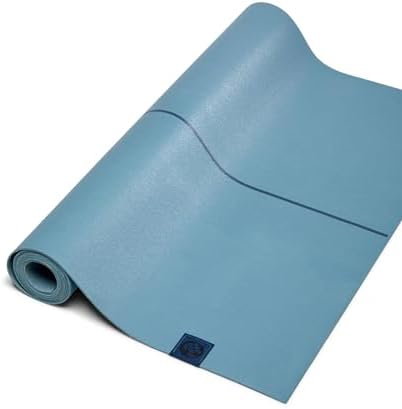
The Manduka eKO SuperLite is the ultimate travel companion for yogis on the go. At just 1.5mm thick and 2 lbs, this natural rubber mat folds to fit in any suitcase or bag while still delivering Manduka’s signature grip and quality. Perfect for maintaining your practice while traveling.
- Price Range: $50-$70
- Dimensions: 71″ x 24″ x 1.5mm
- Weight: 2 lbs
- Material: Natural tree rubber, closed-cell surface
Pros:
- Folds to fit in luggage or a large purse
- Natural rubber grip improves with use
- Closed-cell surface resists moisture
- Made from sustainable tree rubber
- Works great as a mat topper
Cons:
- Minimal cushioning (designed for portability)
- Best used over carpet or gym mat
- May bunch during vinyasa flow
- Not for primary mat use at home
Best For: Travel, business trips, use over hotel carpet, yoga retreats, as a mat topper for grip
Yoga Mat Buying Considerations
Thickness Guide
Thin (1-3mm): Best for travel and experienced practitioners who want to feel grounded. Provides stability for balance poses but minimal cushioning.
Standard (4-6mm): The sweet spot for most practitioners. Balances cushioning with stability, suitable for all yoga styles.
Thick (8-13mm): Maximum cushioning for sensitive joints. Best for restorative yoga, Pilates, and floor exercises. May compromise balance stability.
Material Comparison
PVC (Polyvinyl Chloride): Most common and affordable. Excellent grip and durability. Look for 6P-free versions to avoid harmful phthalates.
TPE (Thermoplastic Elastomer): Eco-friendlier than PVC. Lightweight and recyclable. Good grip but less durable than rubber.
Natural Rubber: Provides the best grip, especially in wet conditions. Eco-friendly and biodegradable. May contain latex and have an initial rubber smell.
Cork: Natural antimicrobial properties. Improves grip when wet. Sustainable and unique feel.
NBR Foam: Extra cushioning for comfort. Best for fitness and floor exercises. Less grip than rubber or PVC.
Grip and Texture
Consider how you practice:
- Hot yoga/sweaty practices: Look for mats with wet-grip technology (Liforme, cork, or natural rubber)
- Dry practices: Most materials work well; PVC offers a consistent grip
- Balance-focused: Thinner, denser mats provide better stability
Size Considerations
Standard: 68″ x 24″ – Suitable for most practitioners under 5’10”
Long: 72-74″ x 24″ – Better for taller practitioners
Extra Long/Wide: 79-85″ x 26-28″ – Maximum room for all body types and dynamic practices
Care and Maintenance
Most mats can be cleaned with a damp cloth and mild soap. Natural rubber mats require specific care:
- Avoid direct sunlight
- Don’t submerge in water
- Use manufacturer-recommended cleaners
- Air dry completely before rolling
Frequently Asked Questions
How thick should my yoga mat be? For most yoga practices, 4-6mm provides the ideal balance of cushioning and stability. Choose a thicker option (8-13mm) if you have joint sensitivity or primarily practice floor exercises. Go thinner (1-3mm) for travel or if you prefer a more grounded feel.
Are expensive yoga mats worth it? Premium mats, such as Manduka PRO and Liforme, offer superior durability and grip and often include lifetime guarantees. If you practice daily, investing in a quality mat pays off over the long term. Budget mats work well for beginners or occasional practitioners.
What’s the best yoga mat for beginners? The Gaiam Essentials or BalanceFrom GoYoga offer excellent value for beginners. They provide adequate grip and cushioning while you develop your practice. Upgrade to a premium mat once you’re committed to regular practice.
Which yoga mat is best for hot yoga? Mats with wet-grip technology perform best. The Liforme Original, cork mats like Satori Concept, and natural rubber mats (Jade Harmony, Manduka eKO) excel when you sweat. Avoid thick foam mats that become slippery when wet.
How often should I replace my yoga mat? Budget mats typically last 6-12 months with regular use. Mid-range mats last 1-2 years. Premium mats like Manduka PRO can last 10+ years with proper care. Replace when you notice reduced grip, visible wear, or the mat no longer lies flat.
Can I use a yoga mat for Pilates or other exercises? Yes, but consider your needs. Standard yoga mats work for most Pilates exercises. For high-impact workouts or exercises that require extra cushioning, choose a thicker fitness mat, such as the Amazon Basics or Retrospec Solana.
Do I need a different mat for home use vs. studio use? Not necessarily, but consider portability. A heavier premium mat works great for home practice. For commuting to class, a lighter mat or travel mat is more practical. Some practitioners keep a premium mat at home and a lighter one for studio classes.
What’s the difference between open-cell and closed-cell construction? Open-cell mats (such as Jade Harmony) absorb moisture, providing excellent grip even when sweating. Closed-cell mats (such as Manduka PRO) repel moisture, making them more hygienic, but they can be slippery when wet. Both have advantages depending on your practice style.
Affiliate Disclosure: Stem & Stone earns from qualifying purchases. Our recommendations are based on research and user feedback, not affiliate relationships.
Leave a Reply