
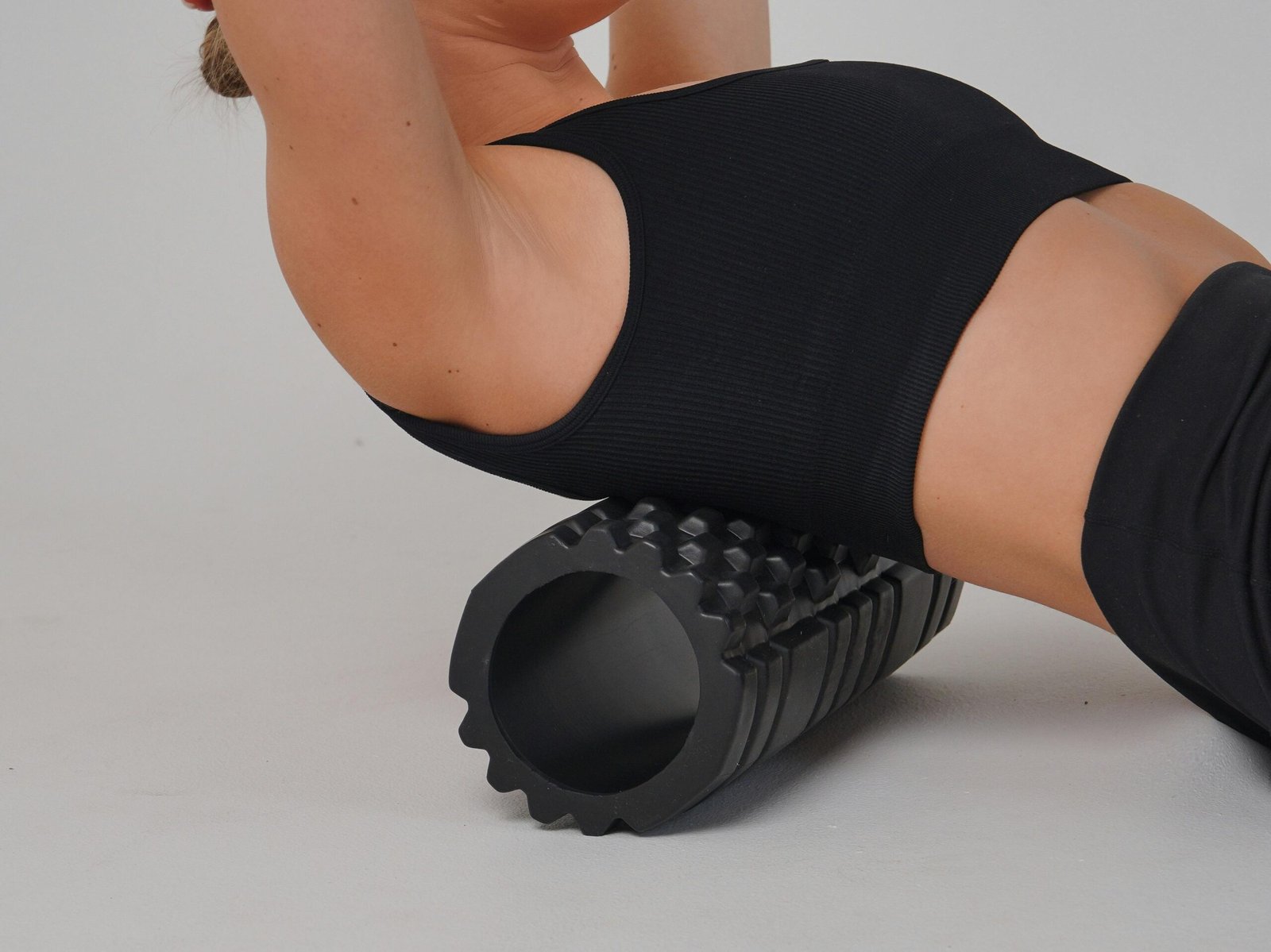
Foam rolling has evolved from a niche recovery technique used by physical therapists into an essential practice for athletes, fitness enthusiasts, and anyone looking to improve mobility and reduce muscle soreness. Whether you are warming up before a workout, cooling down after intense training, or simply trying to relieve tension from sitting at a desk all day, a quality foam roller can make a significant difference in how your body feels and performs.
This guide covers the best foam rollers available on Amazon, from budget-friendly options under $20 to premium vibrating models that deliver spa-like recovery experiences. We have researched and compiled detailed information on density levels, surface textures, materials, and ideal use cases to help you find the perfect roller for your needs.
Quick Comparison Table
Product | Type | Length | Density | Surface | Price Range | Best For |
TriggerPoint GRID 1.0 | Hollow Core | 13 | Medium Firm | Multi density Grid | $35-$40 | Best Overall |
Amazon Basics High Density | Solid EPP | 12 36 | Firm | Smooth | $10-$25 | Best Budget |
LuxFit Speckled | Solid EPP | 12 36 | Extra Firm | Smooth | $15-$30 | Best Value |
OPTP PRO Roller Soft | Solid EVA | 18 36 | Soft | Smooth | $30-$55 | Beginners/Sensitive Users |
321 Strong | Solid Core | 12.75 | Medium | Textured Grid | $20-$25 | Travel/Compact |
RumbleRoller | Solid Core | 12 31 | Extra Firm | Bumpy/Textured | $45-$80 | Deep Tissue |
Therabody WaveRoller | Hollow Core | 12 | Firm | Wave Texture | $100-$150 | Best Vibrating |
Brazyn Morph | Collapsible | 14.5 | Medium | Smooth/Textured | $70-$85 | Best for Travel |
Yes4All EPP | Solid EPP | 12 36 | Extra Firm | Smooth | $12-$20 | Budget High Density |
ProsourceFit | Solid EPP | 12 36 | Firm | Lightly Textured | $12-$25 | Versatile Budget |
Detailed Product Reviews
TriggerPoint GRID 1.0 Foam Roller (13 Inch)
Best Overall
Price Range: $35-$40

The TriggerPoint GRID has earned its reputation as the gold standard in foam rolling, trusted by physical therapists, athletic trainers, and professional athletes worldwide. This 13-inch roller features a patented multi-density exterior wrapped around a rigid hollow core, providing consistent, effective pressure without deforming over time.
What sets the GRID apart is its distinctive surface pattern, featuring three distinct texture zones designed to replicate the feel of a massage therapist’s hands. The flat areas work like a palm for broad muscle coverage, tubular ridges knead muscles like fingers, and dense nodules apply targeted pressure like fingertips. This three-in-one design lets you customize your rolling experience to each muscle group’s needs.
The hollow-core construction serves multiple purposes: it makes the roller lightweight (just 1.4 pounds) and portable, while also providing a firmer feel than solid-foam options. The EVA foam exterior is durable enough to support up to 500 pounds and maintains its shape even after years of heavy use. The water-resistant surface also makes it easy to wipe clean between sessions.
Key Features:
- Patented multi-density GRID pattern with three distinct zones
- Hollow core design supports up to 500 lbs
- EVA foam construction maintains shape after repeated use
- Includes free access to an online instructional video library
- Dimensions: 13″ x 5.5″, Weight: 1.4 lbs
- 1-year manufacturer warranty
Pros:
- Professional-grade quality trusted by therapists and athletes
- Versatile texture works for various muscle groups
- Extremely durable and maintains shape long-term
- Compact size perfect for gym bags
- Excellent balance of firmness and comfort
Cons:
- Shorter length may not cover the full back for larger users
- Higher price than basic foam rollers
- May feel too firm for complete beginners
Best For: Athletes, regular gym-goers, and anyone seeking a professional-grade roller that lasts for years. The GRID excels at targeting specific muscle groups and providing consistent, effective myofascial release.
Amazon Basics High-Density Foam Roller (36 Inch)
Best Budget Option
Price Range: $10-$25 (varies by size)

If you are new to foam rolling or simply want an effective roller without breaking the bank, the Amazon Basics High-Density Foam Roller delivers excellent performance at an unbeatable price point. This no-frills roller shows you don’t need fancy features to achieve real results from self-myofascial release.
Constructed from high-density expanded polypropylene (EPP) foam, this roller provides firm support that does not bottom out under body weight while remaining comfortable enough for daily use. The smooth surface allows consistent rolling without the intense pressure that textured rollers can produce, making it approachable for beginners while still effective for experienced users.
Available in four lengths (12, 18, 24, and 36 inches), the 36-inch version is particularly valuable for back work since you can lie lengthwise along the roller for spinal alignment exercises and chest-opening stretches. The slightly coarse surface texture prevents slipping during use without being aggressive on the skin.
After testing comparable products for extended periods, reviewers consistently report that this roller performs as well as options that cost two to three times more. The EPP construction is environmentally friendly and maintains its density over time, unlike lower-cost PE foam rollers that can degrade quickly.
Key Features:
- High-density EPP foam construction
- Available in 12″, 18″, 24″, and 36″ lengths
- 6-inch diameter standard size
- Lightweight yet durable
- Smooth surface with subtle texture for grip
Pros:
- Exceptional value for money
- Firm enough for effective deep tissue work
- Multiple size options for different needs
- Durable construction maintains shape
- Simple, effective design
Cons:
- No textured zones for targeted massage
- It may be too firm for sensitive users
- Basic black color only
Best For: Budget-conscious shoppers, beginners exploring foam rolling, Pilates, and yoga, Pilates and yoga practitioners who need a versatile prop, and anyone who wants a reliable full-length roller at a non-premium price.
LuxFit Speckled High-Density Foam Roller
Best Value with Warranty
Price Range: $15-$30

LuxFit has built a loyal following among foam rolling enthusiasts thanks to their combination of extra-firm density, excellent durability, and an industry-leading 3-year warranty. The speckled design is not just aesthetic; it indicates the use of molded polypropylene foam technology with a density of 2 lb per cubic foot, making this one of the firmest smooth rollers available.
This roller is particularly popular among experienced users who have graduated from softer options and need more intense pressure to break up stubborn adhesions and trigger points. The extra-firm construction holds up remarkably well to daily use, with many reviewers reporting years of consistent performance without the roller losing its shape or density.
The smooth surface repels liquids for easy cleaning and provides a consistent rolling experience across all muscle groups. While the firmness level may be too intense for beginners, it is ideal for athletes, runners, and anyone dealing with chronic muscle tightness who needs a tool that can effectively target problem areas.
Available in multiple colors and four sizes, you can choose the length that best fits your needs and storage space. The 36-inch option is excellent for back work, while the 18-inch size offers a good balance of versatility and portability.
Key Features:
- Extra-firm molded polypropylene construction
- 2 lb per cubic foot density
- Liquid-repellent smooth surface
- Available in 12″, 18″, 24″, and 36″ lengths
- Full 3-year limited warranty
- Made in the USA
Pros:
- Excellent durability backed by a 3-year warranty
- Extra-firm density for deep tissue work
- Maintains shape after heavy use
- Multiple color and size options
- Great value for the quality
Cons:
- Too firm for beginners or sensitive users
- No textured zones
- May require a break-in period to adjust to firmness
Best For: Experienced foam rollers who need extra-firm pressure, athletes with dense muscle tissue, and anyone who values long-term durability with warranty protection.
OPTP PRO-Roller Soft Density (36 Inch)
Best for Beginners and Sensitive Users
Price Range: $30-$55

For those who find standard foam rollers too intense or painful, the OPTP PRO-Roller Soft Density offers a gentler introduction to myofascial release without sacrificing effectiveness. Developed by OPTP, a company that has been creating professional-grade therapy equipment since 1996, this roller is designed for beginners, older adults, and anyone with sensitive tissue.
The soft-density EVA foam provides comfortable compression while effectively releasing tension in tight muscles, without the discomfort that can come from firmer rollers. This makes it particularly valuable for physical therapy applications, post-surgery rehabilitation, and users who have avoided foam rolling because traditional options were simply too painful.
Unlike cheaper soft rollers that flatten out quickly, the PRO-Roller uses closed-cell, heat-molded EVA foam construction that maintains its density over time. The surface is easy to clean with a damp cloth and resists moisture absorption, making it suitable for clinical and gym environments where hygiene is important.
At 36 inches long, this roller is ideal for lying lengthwise for spinal exercises, Pilates movements, and full-back massage. Physical therapists, chiropractors, and yoga instructors frequently recommend this roller for clients who need the benefits of foam rolling but cannot tolerate standard firmness levels.
Key Features:
- Soft-density closed-cell EVA foam
- Heat-molded construction for durability
- 36″ x 6″ dimensions
- Easy-to-clean surface
- Professional quality from an established therapy brand
- Also available in standard and extra-soft densities
Pros:
- Gentle enough for sensitive users and beginners
- Maintains shape despite soft density
- Professional-grade quality
- Ideal for physical therapy applications
- Full 36″ length for back exercises
Cons:
- May not provide enough pressure for experienced users
- Higher price than basic budget rollers
- Soft density may bottom out for heavier users
Best For: Beginners, elderly users, physical therapy patients, anyone recovering from injury, and those who find standard foam rollers too painful to use consistently.
321 Strong Foam Roller (Medium Density)
Best Compact Textured Option
Price Range: $20-$25
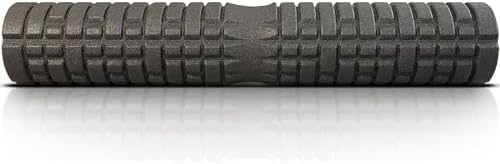
The 321 Strong Foam Roller delivers professional-grade deep-tissue massage in a compact, travel-friendly package. At just 12.75 inches long and weighing under a pound, this roller is easy to toss in a gym bag or suitcase while still delivering effective trigger point release and myofascial therapy.
What distinguishes this roller is its patented three-zone texture design that mimics the thumbs, fingers, and palms of a massage therapist. Unlike smooth rollers that only compress muscle tissue, these textured rollers manipulate and knead soft tissue for more effective release of adhesions and trigger points. The medium density strikes a balance between comfort and effectiveness, making it accessible for beginners while still providing meaningful pressure for experienced users.
The solid EVA foam core supports up to 500 pounds without deforming, and the BPA-free closed-cell foam exterior is durable and easy to clean. Each purchase includes access to a 4K eBook guide demonstrating proper techniques for targeting different muscle groups, making this an excellent choice for those new to textured foam rolling.
Despite its compact size, the 321 Strong roller is remarkably effective for IT band work, calf massage, and targeting specific trigger points throughout the body. The smaller diameter also delivers more focused pressure to particular areas, which can be advantageous for working out stubborn knots.
Key Features:
- Patented three-zone texture design
- Medium-density EVA foam construction
- 12.75″ x 5.25″ compact dimensions
- Supports up to 500 lbs
- Includes a 4K eBook with techniques
- Lifetime manufacturer warranty
Pros:
- Excellent portability for travel
- Textured design for deeper tissue work
- Medium density is suitable for most users
- Comprehensive instructional materials included
- Strong warranty protection
Cons:
- Too short for full-back rolling
- Texture may be too intense for some beginners
- Compact size limits some applications
Best For: Travelers, gym-goers who need a portable option, and anyone wanting a textured massage in a compact package. Also excellent for targeting specific muscle groups and trigger points.
RumbleRoller Extra Firm (Compact 12 Inch)
Best for Deep Tissue Work
Price Range: $45-$80 (varies by size)

When you need to break up stubborn adhesions and deep-seated trigger points, the RumbleRoller delivers the intensity that standard foam rollers simply cannot match. This revolutionary roller features raised bumps that work like a massage therapist’s thumbs, penetrating deep into muscle tissue to deliver relief beyond surface-level compression.
The high-profile bumps are made from a proprietary EVA/polyolefin blend that is firm enough to apply significant pressure while remaining flexible enough to deflect around bones and other sensitive structures. This means you can work closer to problem areas without the discomfort of rolling directly over bony prominences. The inter-bump spaces also allow soft-tissue displacement, enhancing kneading action.
Available in two firmness levels (Original and Extra Firm), the Extra Firm version in black is designed for experienced users and those with particularly dense or tight muscle tissue. The bumps can be used in a rolling motion for broader massage or in a side-to-side rocking motion for even deeper penetration into specific trigger points.
While the RumbleRoller is more expensive than traditional foam rollers, users consistently report results comparable to professional massage therapy. For athletes, CrossFit enthusiasts, and anyone dealing with chronic muscle tension, this roller can be a worthwhile investment in long-term recovery and performance.
Key Features:
- Patented high-profile bump design
- Proprietary EVA/polyolefin blend construction
- Extra Firm density for intense deep tissue work
- Compact 5″ x 12″ size
- Bumps flex around bones and sensitive areas
- All materials tested safe per CPSIA standards
Pros:
- Unmatched deep tissue penetration
- Bumps replicate a massage therapist’s thumbs
- Flexible bumps avoid bony areas
- Extremely durable construction
- Effective for stubborn trigger points
Cons:
- Definitely not for beginners
- Intense pressure can be painful initially
- Higher price point
- Requires gradual introduction to avoid bruising
Best For: Experienced foam rollers, athletes with dense muscle tissue, CrossFit practitioners, and anyone dealing with chronic muscle tightness who needs more intensity than standard rollers provide.
Therabody WaveRoller
Best Premium Vibrating Roller
Price Range: $100-$150

The Therabody WaveRoller represents the cutting edge of foam rolling technology, combining traditional foam rolling with powerful vibration therapy to deliver a recovery experience that goes far beyond what passive rollers can achieve. From the makers of the legendary Theragun percussion massagers, this roller brings clinical-grade technology into your home recovery routine.
The WaveRoller features five customizable vibration intensity settings, controlled via the Therabody app via Bluetooth. These vibration frequencies help relax tight muscles, increase blood flow, and reduce the pain that can sometimes make foam rolling uncomfortable. Research has shown that vibration therapy during foam rolling can enhance range-of-motion gains and reduce perceived discomfort during the session.
The innovative wave texture on the roller’s surface adds an extra dimension of pressure and provides superior traction control during use. The high-density EVA foam construction delivers firm compression comparable to professional-grade passive rollers, and the hypoallergenic material is safe for direct skin contact.
With a 180-minute battery life, the WaveRoller can handle multiple sessions on a single charge. The 12-inch by 5-inch dimensions make it ideal for targeting large muscle groups like quads, hamstrings, and back, and the included protective carrying pouch makes transport convenient.
Key Features:
- 5 customizable vibration intensity settings
- Bluetooth connectivity with the Therabody app
- Wave texture for enhanced pressure
- High-density hypoallergenic EVA foam
- 180-minute battery life
- 12″ x 5″ dimensions
- Includes protective carrying pouch and power adapter
Pros:
- Vibration reduces pain during rolling
- App connectivity for personalized settings
- Premium build quality from a trusted brand
- Wave texture adds a massage dimension
- Excellent battery life
Cons:
- Premium price point
- Requires charging, unlike passive rollers
- Heavier than non-vibrating options
- Vibration may feel too intense for some
Best For: Recovery enthusiasts willing to invest in premium equipment, athletes seeking every competitive advantage, anyone who finds traditional foam rolling too uncomfortable, and tech-savvy users who appreciate app connectivity.
Brazyn Morph Collapsible Foam Roller (Bravo)
Best for Travel
Price Range: $70-$85

The Brazyn Morph solves the biggest problem with foam rolling: traditional rollers are too bulky to take anywhere. This innovative collapsible design folds flat to less than 2 inches thick (slimmer than two folded shirts) and expands to a full-size 5.5-inch-diameter roller that supports up to 350 pounds. Designed by former NFL tight end Nate Lawrie, the Morph was created by someone who understood the need for effective, portable recovery tools.
The patented Collapsible Core Technology uses over 60 individual pieces, including bamboo and recycled aluminum, to create a mechanism that is both lightweight (1.5 pounds) and remarkably sturdy. To expand the roller, simply pull the easy-pull ropes until it reaches full size. To collapse it, push firmly on the disks at either end. The process takes just seconds and requires no tools or complicated procedures.
Available in two surface options, the Bravo model features a smoother rolling surface for a traditional foam rolling feel. At the same time, the Alpha model (also available) offers a more textured surface for deeper tissue work. Both versions deliver the same functionality of a standard foam roller without the bulk that keeps most people from rolling consistently.
Featured on Shark Tank, the Morph has gained a devoted following among frequent travelers, flight attendants, business professionals, and anyone whose lifestyle makes consistent foam rolling challenging. The ability to pack a full-function foam roller in a carry-on bag, or even in a laptop sleeve, has made regular recovery possible for people who previously had to skip foam rolling while traveling.
Key Features:
- Patented Collapsible Core Technology
- Expands to 5.5″ diameter x 14.5″ length
- Collapses to less than 2″ thick
- Supports up to 350 lbs
- Made with bamboo and recycled aluminum
- Weighs only 1.5 lbs
- TSA-friendly design
Pros:
- Truly travel-friendly collapsible design
- Full-size functionality when expanded
- Lightweight yet sturdy construction
- Eco-friendly materials
- Easy expand/collapse mechanism
Cons:
- Premium price for the foam roller category
- Shorter than full-length 36″ options
- Mechanism has more potential failure points than solid rollers
- Handcrafted construction increases cost
Best For: Frequent travelers, digital nomads, athletes competing away from home, flight attendants, consultants, and anyone who travels regularly and wants to maintain their foam-rolling routine.
Yes4All High-Density EPP Foam Roller
Best Budget High-Density Option
Price Range: $12-$20

Yes4All has built a reputation for delivering functional fitness equipment at accessible prices, and their EPP Foam Roller exemplifies this value proposition. This extra-firm roller delivers professional-grade density at a fraction of the cost of premium brands, making it an excellent choice for budget-conscious fitness enthusiasts seeking serious firmness.
Constructed from expanded polypropylene (EPP) foam, this roller is 30% heavier and firmer than typical budget rollers in the same class. The extra density provides more resistance and deeper tissue penetration, making it suitable for advanced users who need substantial pressure to work through tight muscles. The one-piece solid construction eliminates weak points and ensures consistent performance across the entire surface.
Available in four lengths (12, 18, 24, and 36 inches) and multiple colors, you can choose the option that best fits your needs and preferences. The 300-pound weight capacity accommodates users of all sizes, and the EPP material quickly returns to its original shape even after heavy use.
While it lacks the textured zones of premium rollers, the smooth surface provides consistent pressure ideal for general myofascial release, Pilates exercises, and yoga practice. The straightforward design also makes it easy to clean and maintain. For those on a tight budget who still want firm, effective pressure, the Yes4All EPP roller delivers impressive performance.
Key Features:
- Extra-firm EPP foam construction
- 30% heavier and firmer than standard budget rollers
- Available in 12″, 18″, 24″, and 36″ lengths
- 300 lb weight capacity
- One-piece solid construction
- Multiple color options
Pros:
- Exceptional value for extra-firm density
- Durable construction maintains shape
- Multiple size options
- Suitable for advanced users
- Lightweight yet firm
Cons:
- It may be too firm for beginners
- No textured zones
- Basic design without premium features
Best For: Budget-conscious shoppers who want firm pressure, experienced foam rollers seeking an affordable backup, home gym builders on a budget, and Pilates/yoga practitioners needing a versatile prop.
ProsourceFit High-Density Foam Roller
Best Versatile Budget Option
Price Range: $12-$25
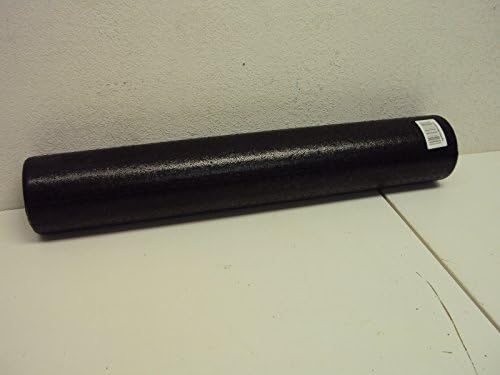
ProsourceFit has earned a loyal following among fitness enthusiasts for creating reliable, affordable equipment that performs well above its price point. Their High-Density Foam Roller is a perfect example: firm enough for effective myofascial release, durable enough for daily use, and priced to fit any budget.
Made from high-density expanded polypropylene (EPP), this roller delivers a firmer massage than standard foam rollers while remaining comfortable for users of all fitness levels. The material is eco-friendly, water-resistant, and easy to clean, making it suitable for home use, gym environments, and outdoor workouts. The lightly textured surface provides extra grip without being aggressive on the skin.
Available in four sizes and multiple colors (including solid and speckled designs), there is an option for every preference and use case. The 36-inch version is popular for full-back work and Pilates exercises, while the 12-inch travel size fits easily in gym bags. All sizes feature a 300-pound weight capacity, accommodating users of all sizes.
Physical therapists and fitness trainers often recommend ProsourceFit rollers to clients because they deliver strong performance without requiring a significant investment. For home gym owners, personal trainers with multiple clients, and anyone building out their fitness equipment collection, these rollers provide excellent functionality without straining the budget.
Key Features:
- High-density EPP foam construction
- Lightly textured surface for grip
- Available in 12″, 18″, 24″, and 36″ lengths
- 300 lb weight capacity
- Multiple colors and designs
- Water-resistant and easy to clean
Pros:
- Excellent balance of firmness and comfort
- Versatile for various exercises and massage
- Affordable pricing across all sizes
- Good durability for the price
- Multiple sizes and color options
Cons:
- Not as firm as premium high-density options
- Basic design without advanced features
- May compress slightly over time with heavy use
Best For: Home gym builders, personal trainers needing multiple rollers, beginners to intermediate users, and anyone seeking a reliable, versatile foam roller at a non-premium price.
Comprehensive Foam Roller Buying Guide
Understanding Foam Roller Types
Solid Foam Rollers: The most common and affordable type, solid foam rollers are made from a single piece of foam material. They come in various densities from soft to extra firm. Solid rollers are durable, straightforward to use, and available at every price point. Best for general use, beginners, and those who prefer consistent pressure across the entire surface.
Hollow Core Rollers: Featuring a rigid plastic or PVC core wrapped in foam, hollow core rollers are typically firmer and more durable than solid foam options of similar density. The hollow construction also makes them lighter and more portable. Examples include the TriggerPoint GRID series. Best for users who want firm pressure without excessive weight.
Textured/Grid Rollers: These rollers feature ridges, bumps, or grid patterns on their surface designed to provide varying pressure and deeper tissue penetration. The textures can replicate the feeling of a massage therapist’s fingers, thumbs, and palms. Best for targeting specific trigger points, IT band work, and users who find smooth rollers ineffective.
Vibrating Rollers: The newest category, vibrating foam rollers, combine traditional rolling with vibration therapy. Research suggests that vibration can improve the range of motion and reduce discomfort during rolling. Best for users seeking premium recovery experiences, those who find traditional rolling painful, and tech enthusiasts.
Collapsible/Travel Rollers: Designed for portability, these innovative rollers fold or collapse to a fraction of their expanded size. While more expensive and more mechanically complex, they solve the problem of transporting a full-size roller. Best for frequent travelers, athletes who compete away from home, and anyone with limited storage space.
Key Features to Consider
Density/Firmness: Foam roller density determines how much pressure the roller applies to your muscles. Density is typically categorized as:
- Soft/Low Density: Gentle pressure is ideal for beginners, elderly users, and those recovering from injury. May bottom out for heavier users.
- Medium Density: Balanced pressure suitable for most users. Good for general myofascial release and regular maintenance.
- Firm/High Density: Intense pressure for experienced users and deep tissue work. It may be uncomfortable for beginners.
- Extra Firm: Maximum pressure for advanced users with dense muscle tissue. Not recommended for beginners.
Material: The most common foam roller materials include:
- PE (Polyethylene): Softer, less durable, most affordable. Good for beginners but may compress over time.
- EPP (Expanded Polypropylene): Firmer, more durable, mid-range price. Maintains shape well with regular use.
- EVA (Ethylene Vinyl Acetate): Dense, durable, often used in premium rollers. Provides firm compression and excellent longevity.
- PVC Core with Foam Exterior: Found in hollow core designs. Provides firmness and durability with reduced weight.
Length: Foam roller length affects versatility and portability:
- 12 inches: Compact and travel-friendly. Best for targeting specific areas and travel.
- 18 inches: Versatile middle ground. Good for most applications while remaining portable.
- 24 inches: Versatile for both targeted work and some full-body applications.
- 36 inches: Full length ideal for back work, Pilates, and yoga. Less portable but more versatile.
Diameter: Most foam rollers feature a 6-inch diameter, providing a good balance between surface coverage and pressure intensity. Smaller-diameter rollers (4-5 inches) apply more focused pressure, while larger-diameter rollers provide broader, less intense coverage.
Surface Texture: Surface options range from completely smooth to heavily textured:
- Smooth: Consistent pressure, comfortable on skin, good for beginners.
- Lightly Textured: Adds grip without intensity, versatile for most users.
- Grid Pattern: Varying pressure zones that mimic massage hands; good for targeted work.
- Bumps/Nodules: Intense deep-tissue penetration; for advanced users only.
Form Factor Considerations
Portability: Consider where you will use your foam roller. If you plan to take it to the gym, on trips, or store it in a limited space, a shorter length or collapsible design may be worth the trade-offs. Full-length 36-inch rollers provide the most versatility but require more storage space and are impractical for travel.
Weight Capacity: Most quality foam rollers support 250-500 pounds, but check specifications if you are a larger user or plan to apply significant body weight during exercises. Hollow-core designs often have higher weight capacities than solid-foam rollers.
Cleaning and Maintenance: Look for water-resistant materials that wipe clean with a damp cloth. Open-cell foam absorbs moisture and bacteria more readily than closed-cell materials. If you will use your roller in commercial settings or share it with others, easy cleaning is essential.
Recommended Use Cases
For Back Pain and Spinal Mobility: A 36-inch roller allows you to lie lengthwise for spinal alignment and chest-opening exercises. Medium to firm density provides good support without discomfort. Smooth or lightly textured surfaces work well for back applications.
For IT Band and Leg Work: Shorter, firmer rollers (12-18 inches) offer better control for targeted leg work. Textured surfaces can help address stubborn adhesions along the IT band. Be prepared for intensity, as the IT band is notoriously sensitive.
For Warm-Up and Cool-Down: Medium-density smooth rollers work well for general warm-up and cool-down routines. Full-length options allow you to work multiple muscle groups efficiently. Vibrating rollers can enhance warm-up by increasing blood flow more quickly.
For Physical Therapy and Rehabilitation: Soft-density rollers from reputable therapy brands, such as OPTP, are the safest for rehabilitation applications. Always follow your healthcare provider’s guidance on appropriate firmness and techniques.
For Athletic Performance and Recovery: Firm to extra-firm rollers provide the intensity serious athletes need. Textured options like RumbleRoller provide deep-tissue penetration comparable to professional massage. Consider vibration options to enhance recovery.
Price Tiers and Expectations
Budget Tier: $10-$25
At this price point, expect solid EPP or PE foam construction with smooth or lightly textured surfaces. Rollers in this range offer solid functionality for general use and are ideal for beginners or those unsure about foam rolling. Durability varies; EPP options typically outlast PE foam. Brands like Amazon Basics, Yes4All, and ProsourceFit dominate this tier.
Mid-Range Tier: $25-$50
Mid-range rollers often feature improved construction, higher-quality materials, and enhanced features such as hollow cores or moderate texturing. This tier includes professional-grade options such as the TriggerPoint GRID and specialty designs from smaller brands. Expect improved durability and more refined designs compared to budget options.
Premium Tier: $50-$100
Premium foam rollers feature advanced designs like deep-tissue bump textures (RumbleRoller), patented collapsible mechanisms (Brazyn Morph), or professional-grade construction. These rollers are built for heavy, long-term use and often come with extended warranties. Worth considering for serious athletes and dedicated users.
Elite Tier: $100+
The elite tier includes vibrating foam rollers with smart features, app connectivity, and advanced materials. Products like the Therabody WaveRoller represent the cutting edge of recovery technology. These investments make sense for professional athletes, recovery enthusiasts, and anyone seeking every possible advantage.
Frequently Asked Questions
How accurate are foam rollers compared to professional massage? Foam rolling provides self-myofascial release that can replicate some benefits of professional massage, particularly for muscle tension and trigger point relief. However, foam rolling cannot replace the assessment skills, technique variation, and personalized attention of a trained massage therapist. Think of foam rolling as maintenance between professional sessions rather than a complete replacement.
How long should I foam roll each muscle group? Research suggests rolling each muscle group for 1-2 minutes is effective. Spend 30-60 seconds on particularly tight or tender spots. Longer 10-15-minute sessions covering multiple muscle groups can be beneficial, but avoid spending excessive time on any single area. If you experience sharp pain or numbness, stop immediately.
Should I foam roll before or after workouts? Both have benefits. Pre-workout rolling (30-60 seconds per muscle) can improve range of motion and prepare muscles for activity. Post-workout rolling can reduce delayed-onset muscle soreness (DOMS) and accelerate recovery. Many athletes incorporate rolling into both their warm-up and cool-down routines.
Is foam rolling supposed to hurt? Foam rolling should feel like pressure that is “uncomfortable but tolerable” or “hurts so good.” Sharp pain, shooting sensations, or numbness may indicate excessive pressure or rolling over sensitive areas (nerves, bones, joints). Beginners often need to start with softer rollers and gradually work up to firmer options as their tissues adapt.
How often should I replace my foam roller? Quality foam rollers should last 1-3 years with regular use. Signs that replacement is needed include visible deformation, loss of firmness, surface damage, or inconsistent pressure during rolling. Budget rollers typically wear out faster than premium options.
Can foam rolling help with cellulite? While some claims suggest that foam rolling can reduce the appearance of cellulite, scientific evidence for this benefit is limited. Foam rolling improves circulation and may temporarily reduce fluid retention, but it cannot eliminate fat deposits or fundamentally change skin structure.
Are vibrating foam rollers worth the extra cost? Research indicates that vibration can enhance range-of-motion improvements and reduce perceived discomfort during foam rolling. If you find traditional rolling too painful or want to maximize recovery benefits, vibrating rollers may be worth the investment. However, passive rollers remain highly effective for most users.
Can I foam roll every day? Daily foam rolling is generally safe and can be beneficial for maintenance and recovery. However, avoid repeatedly rolling the same tight or injured area each day, as tissues need time to recover and adapt. Listen to your body and reduce intensity or frequency if you experience persistent soreness.
Final Recommendations
Best Overall: TriggerPoint GRID 1.0 – The gold standard for versatile, effective foam rolling with professional-grade quality.
Best Budget: Amazon Basics High Density 36″ – Unbeatable value for a full-length, firm foam roller that performs well above its price.
Best for Beginners: OPTP PRO-Roller Soft Density – Gentle enough to make foam rolling approachable while still providing therapeutic benefits.
Best for Deep Tissue: RumbleRoller Extra Firm Compact – Intense bump design delivers massage therapist-level deep tissue penetration.
Best for Travel: Brazyn Morph Collapsible – Revolutionary collapsible design makes consistent foam rolling possible anywhere.
Best Premium: Therabody WaveRoller – Cutting-edge vibration technology with app connectivity for the ultimate recovery experience.
Best Value: LuxFit Speckled High Density – Extra-firm density with a 3-year warranty at a mid-range price.
Affiliate Disclosure: Stem & Stone earns from qualifying purchases. Our recommendations are based on research and user feedback, not affiliate relationships.
Leave a Reply